
Ever wondered, "Can you wallpaper over wallpaper?" It's a question that's crossed the minds of many DIY enthusiasts and thrifty interior decorators. Well, the short answer is, yes, you can. But it's not always as simple as it sounds.
There are a few crucial factors you need to consider before you start slapping on that new layer. From ensuring the new wallpaper adheres properly to the old, to taking into account the thickness of the new wallpaper and making sure the patterns compliment each other.
With a little bit of planning, wallpapering over wallpaper can be a quick and easy way to give your room a fresh new look. But remember, if in any doubt about the state of your current wallpaper, your best bet might be to strip back to bare walls and start afresh.
How to Wallpaper Over Wallpaper
Embracing the task of wallpapering over existing wallpaper may seem daunting. But, it's not as complicated as it seems. With the right information and tools, you could give your room a fresh new look.
Assessing the Condition of the Existing Wallpaper
First, get up-close and personal with the current wallpaper. Examine it for any loose areas, lumps, rips, or tears. Do you see only one layer on the wall? If the current wallpaper is in good shape and adheres well to the wall, you're good to go.
Evaluating the wallpaper's thickness and design is vital as well. The new wallpaper shouldn't be too thick, as it might cause the old wallpaper to wrinkle or buckle. Also, ensure the pattern of the new wallpaper complements that of the old to avoid a messy, uncoordinated finish.
Preparing the Wallpaper Surface
Proper prepping of your current wallpaper is vital to achieving a smooth application of the fresh wallpaper. Here's a simple guide to help you do just that:
- Use seam sealer to fix any loose seams on the old wallpaper. A seam roller will come in handy for this. If you don't have one, no worries - a paint roller will do just fine.
- Fill any holes or rips on the wall and wait for it to dry.
- Once dry, sand the area down until it's flat.
Consider applying a layer of primer on vinyl wallpapers you don't fancy removing. The primer will serve as a surface that the new wallpaper can stick to. If painting over wallpaper, then a primer will be needed.
Applying New Wallpaper
Armed with a smooth, primed surface, you're ready to hang your new wallpaper. Go for wallpapers that are easy to apply.
The process of hanging new wallpaper resembles that of prepping the surface:
- Check the right alignment for your new wallpaper. Misalignment might reveal unwanted textures along the seams.
- Apply a heavy-duty adhesive or wallpaper primer.
- Use a level to hang the new wallpaper in a straight line.
- Utilize a putty knife to smooth the wallpaper out as you apply it.

Pros and Cons of Wallpapering Over Existing Wallpaper
Fixing new wallpaper over the existing layer can be a tricky business. Still, most likely, you're toying with the idea because you've heard both its conveniences and challenges.
Advantages:
Firstly, the obvious advantage: time and effort. Stripping off old wallpaper can be time-consuming and messy work, potentially damaging your walls. Deciding to wallpaper over existing wallpaper saves you the hassle and potential risks.
Likewise, you protect your walls from unnecessary wear and tear. If your old wallpaper is adhered strongly to your wall - peeling it off might harm the wall's surface, especially if it's drywall. By simply wallpapering over it, you're preserving the integrity and condition of your base wall.
Disadvantages:
While these conveniences make a compelling case, it's prudent to guard against hasty decisions and consider the downsides.
First, you're inherently restricting your new wallpaper options - especially considering the texture and alignment issues. You need to choose a wallpaper that is heavy enough to conceal the texture of the existing one. If not aligned correctly, visible seams could pose a challenge. So, it becomes crucial to opt for a wallpaper equipped to cover textured surfaces effectively.
Next, think about any bubbles, blisters, or peeling edges in your existing wallpaper. When wallpapering over, such imperfections are likely to manifest in the new layer. So you're still labouring over fixing the existing wallpaper surface – smoothing seams, filling holes, and even sanding the surface.
Last but not least, possibly the most ominous threat – what's underneath those layers of old wallpaper? Could they be concealing moisture damage, mould, or mildew hazards? Unknown conditions lurking beneath could jeopardize the durability of your new wallpaper while also posing a potential health risk.

So, can you wallpaper over wallpaper? Yes, you can. It's a time-saving, cost-effective method that can protect your walls from damage. But, it's not without its drawbacks. You may face limited wallpaper choices, alignment issues, and need to fix any imperfections in the existing wallpaper. Plus, there's the risk of hidden moisture damage or mould. It's crucial to consider these factors before making your decision. It's all about weighing up the benefits and potential issues to decide whether it's the right choice for your home. The professionals at Apex Inc. can assess your current wallpaper and the condition of your walls, and recommend next steps. They have the experience and techniques to hang wallpaper flawlessly. After all, your walls are an essential part of your living space, and you want them to look their best.
Wondering if you can give your textured walls a facelift with wallpaper? You're not alone. Many homeowners face the challenge of transforming rooms with less-than-smooth surfaces. While it's true that the flatter the wall, the easier the wallpaper application, don't let a bit of texture dash your decor dreams.
You'll be pleased to know that wallpapering over textured walls is indeed possible. The key to success lies in choosing the right wallpaper and adhesive to ensure a lasting, attractive finish. Whether you're aiming for a subtle refresh or a bold statement, the right approach can make all the difference. Keep reading to discover how to master the art of wallpapering on textured surfaces.
Can You Wallpaper Over Textured Walls?
When faced with the task of wallpapering over textured walls, you’re touching on a common predicament in the world of home decor. Yes, you can wallpaper over textured walls, and it’s a fantastic way to revamp your space without the extensive process of completely smoothing out the walls.
Your success hinges on the wall's texture itself; finer textures allow for better adhesion and a more seamless appearance. For coarser textures, you might want to consider either smoothing the surface or opting for wallpapers that specifically cater to hiding or complementing the wall's texture.
- Vinyl wallpapers: These are inherently thicker, thus better at concealing wall irregularities.
- Textile wallpapers: With their fabric backing, they also offer good coverage but remember – the heavier the wallpaper, the more capable it is of disguising texture.
- Embossed wallpapers: These may mimic the wall's texture and create an intentional design feature.
Moreover, the choice of adhesive plays a crucial role in ensuring that the wallpaper sticks properly and stays in place. A stronger adhesive might be required to counter the uneven surface. Prepping the wall with a suitable primer can improve the wallpaper's grip and longevity.
Don't forget about the necessary tools, like a smoothing brush or roller, to help the wallpaper conform to the textured surface. With careful preparation and smart material choices, wallpapering over textured walls becomes a doable project that could yield striking results.

Preparing Textured Walls for Wallpaper
As you dive into the project of wallpapering over textured walls, it's essential to follow the right steps for preparation. This will ensure a smooth application and a beautiful result that won't betray the textured surfaces beneath.
Evaluating the Texture
Before you begin, take a good look at your walls. The texture's depth and type influence your approach:
- Orange peel texture, while light, might still show through thin wallpaper.
- Aggressive textures such as knockdown or slap brush require more attention as they may interfere with wallpaper adhesion and appearance.
Test a sample of the wallpaper on a cleaned section of your textured wall. This helps determine not only if the wallpaper sticks properly but also if the texture is visible through it. Make note of how pronounced the texture appears after applying the sample.
Cleaning the Walls
Properly cleaning your walls is a non-negotiable step. Dust, grease, or other residues can prevent wallpaper from adhering correctly. Here's a systematic approach:
- Remove dust and debris with a vacuum or a microfiber cloth.
- Wash the walls with a solution of TSP (Trisodium Phosphate) or a mild detergent that won't leave residue.
- Rinse with clean water and allow the walls to dry completely.
A clean surface ensures that nothing comes between the wallpaper adhesive and the wall. This sets the stage for successful wallpaper application without the risk of peeling or bubbling.
Smoothing the Texture
To achieve the smoothest possible surface:
- Start by sanding down prominent textures with fine-grit sandpaper. Careful not to overdo it, as excessive sanding can damage the wall.
- Should the texture be too pronounced for sanding alone, consider skim coating with joint compound. Apply the compound evenly, filling in the nooks and crannies of the texture.
- Use a wallpaper liner for less pronounced textures. This acts as a buffer layer to hide minor imperfections and create a smoother base for your wallpaper.
The texture should be sufficiently smoothed, so it's undetectable through the wallpaper. Be patient with this process; a rushed job will be evident once you hang your wallpaper. With careful preparation, you can transform your textured walls into the perfect canvas for your chosen wallpaper design.
Choosing the Right Wallpaper
When you're looking to wallpaper over textured walls, selecting the right type is key to a smooth finish. Peel-and-stick wallpapers are a popular choice as some brands specifically cater to textured surfaces with more durable and heavy-duty adhesives. Traditional vinyl or non-woven wallpapers are also suitable alternatives as they tend to be thicker and can mask the underlying texture effectively. Here's what you need to look out for:
- Durability: Wallpapers designed for textured walls are more robust to effectively hide and adhere to the uneven surface.
- Adhesive quality: Look for wallpapers with high-grade adhesive to reduce the risk of peeling.
- Thickness: Thicker wallpaper materials help to smooth out the visual effect of the texture beneath.
Remember, sampling is a must. Trying out a wallpaper sample on your textured wall before making a purchase ensures that the wallpaper's features match your expectations and that you are satisfied with the design in your unique space.

Applying Wallpaper on Textured Walls
Decorating your home can bring new life to your spaces, and applying wallpaper is a fantastic way to add depth, texture, and personality to any room. However, if you're dealing with textured walls, the process might require a few additional steps. Let's delve into the best way to achieve a flawless wallpaper finish over those tricky surfaces.
- Priming: Before anything, ensure that your walls are sized or prime-sealed. This step is crucial as it preps your walls for better adhesion and prevents damage during wallpaper removal.
- Horizontal Application: Unlike traditional wallpaper, you hang lining paper horizontally. This strategy helps to avoid the matching of seams with the wallpaper, making any slight misalignments less noticeable.
- Gap Management: Hang your lining paper with a 1mm gap between each sheet. This will minimize the potential for any visible ridges where two sheets overlap.
- Cutting: Measure your lining paper to be slightly longer than the wall and trim the excess after application. This technique allows for a precise fit and clean edges.
Applying Adhesive
Choosing the right adhesive is critical for ensuring that your wallpaper remains in place. Here are some points to consider:
- Compatibility: Verify that the adhesive is compatible with both your lining paper and wallpaper.
- Coverage: Apply the adhesive evenly across the wall surface, ensuring every inch is covered to prevent peeling or bubbling.
- Reaction to Texture: Be aware that even with adhesive, some textures may still show through thinner wallpapers. Opting for a thicker wallpaper can help alleviate this issue.
Hanging the Wallpaper
Hanging your wallpaper is the final step, and attention to detail is essential for striking results. Follow these tips:
- Alignment: Start from the top and align your wallpaper carefully with the edge of the wall or the ceiling. This approach ensures a straight application.
- Smoothing Out: Utilize a brush or a squeegee to smooth out the wallpaper as you go, eliminating any air bubbles or wrinkles.
- Seams: Make sure that your wallpaper seams are tight and matched up correctly. Imperfect seams can be an eyesore and may undo the seamless look you're aiming for.
- Overlaps: When hanging successive strips, be vigilant about matching patterns and overlapping just enough to ensure that the design appears continuous.
By following these steps, you'll be more likely to achieve a professional and enduring wallpaper application, even over those stubborn textured walls. With a bit of patience and the right technique, there's no reason you can't enjoy the transformative effect of wallpaper, texture or not.
Transforming your space with wallpaper is a surefire way to add personality and flair to your home. But before you begin, knowing the right way to apply wallpaper with paste is key to achieving that seamless look.
You might think that applying wallpaper is a task for professionals only, but with the correct type of adhesive and a few essential tools, you can do it yourself. Ready to give your walls a stunning makeover? Let's get started on how to put up wallpaper with paste.
Choosing the Right Wallpaper
When deciding on wallpaper, it's critical to weigh several factors to ensure the final outcome meets your expectations. Your choice will influence not only the aesthetic but also the ease of application and long-term maintenance. Here's what you need to consider:
- Design Impact: A bold pattern can create a focal point, while a subtle design may add texture without overwhelming the space.
- Room Usage: High-traffic areas might benefit from washable wallpapers, whereas living areas can indulge in more luxurious textures.
- Lighting Conditions: Light plays a significant role in how wallpaper colours appear. Always view your sample in the room where it will be used.
- Scale of Pattern: The size of the pattern should be in harmony with the size of the room and its features.
- Pattern Match: Consider how easy it will be to match the pattern at the seams. A complex match may lead to more waste and a need for extra rolls.
Types of Wallpaper Available
Wallpapers come in a variety of materials and textures, each suited for different needs and preferences:
- Vinyl Wallpaper: Highly durable and easy to clean, making it ideal for kitchens and bathrooms.
- Non-Woven Wallpaper: Breathable fibres make it mould-resistant and a good fit for damp environments.
- Grasscloth Wallpaper: Offers a natural texture and depth for a more organic feel, perfect for creating a serene atmosphere.
- Foil Wallpaper: Reflective properties add brightness to a room but require a flawless wall surface due to its tendency to show imperfections.
Preparing the Walls
When you're gearing up to refresh your space with new wallpaper, good preparation is the key to impeccable results. It's not just about the wallpaper itself: the state of your walls can make or break the final look.
Cleaning the Walls
The first crucial step is ensuring that your walls are clean and free from dust, dirt, or oily residues. Use a mild detergent or sugar soap, paired with warm water, to effectively remove any surface grime. This is essential; wallpaper won't adhere properly to dirty walls. After cleaning, give the walls ample time to dry completely before proceeding.
Repairing Any Damages
Next, inspect the walls for any imperfections. Fill any holes or cracks with wall filler or spackle to create a smooth base. This step can prevent future issues with your wallpaper's adhesion and appearance. Remember, wall damages left unchecked can lead to wallpaper peeling or bubbling prematurely.
Smoothing the Surface
To achieve a professional-grade finish, the wall surface should be as smooth as silk. This may require you to sand down the filled areas and any other rough patches. Ensure you're working with a fine-grit sandpaper to avoid creating more texture on the wall. Once sanded, wipe the walls down again to remove any lingering dust.
- Sanding: Creates a smooth, even base for the wallpaper.
- Dust removal: Critical for clean adhesion.
Measuring and Cutting the wallpaper
Calculating the Amount of Wallpaper Needed
Before you begin the wallpapering process, it's crucial to determine how much wallpaper you'll actually need. The last thing you want is to run out mid-project or overspend on surplus rolls. Wallpaper calculators are invaluable tools for estimating the required quantity. They account for the design repeat and wall dimensions to suggest the appropriate number of rolls.
Remember, walls and ceilings are seldom perfect—their unevenness often necessitates extra wallpaper. Make a habit of purchasing at least one additional roll beyond your calculated needs. This ensures that you have enough to cover any mistakes without the stress of reordering. Recall that from dye lot to dye lot, subtle colour variations may exist. Buying in bulk ensures consistent colour across your entire space.
| Consideration | Why It Matters |
| Design Repeat | Influences the quantity required to align patterns correctly |
| Wall Size | Determines the baseline amount needed |
| Extra Roll(s) | Provides backup for errors and future adjustments |
Tips for Accurate Measuring and Cutting
Measuring and cutting with precision are foundational for professional-looking wallpaper application. Start by using a tape measure to gauge the heights of your walls accurately. Add a few centimetres to each measurement for a trimming margin. Use a sharp craft knife or wallpaper scissors to ensure clean cuts; dull blades can lead to tattered edges and wasted paper.
- Always measure twice, cut once; double-checking your numbers can save you from costly mistakes.
- When marking your cut lines on the wallpaper, do so on the back to keep the front pristine.
- For patterned wallpaper, align the design before cutting. This might mean accepting some waste to match the pattern at the seams efficiently.
- Utilize a straight edge—metal is ideal, but a sturdy ruler can suffice for precise trimming.
- Keep your cuts steady and consistent. A good technique is to unfold and cut the wallpaper against a flat surface, maintaining control over the paper.
A final piece of advice: If you're new to wallpapering, it's wise to start with a less critical area—a small, inconspicuous space, to hone your skills. This way, you'll gain confidence and reduce the risk of errors in more prominent, unforgiving areas.

Applying the Paste
Preparing the Wallpaper Paste
Before you start hanging your wallpaper, preparing the paste correctly is crucial. Always read the label for the specific paste you're using as different types have different preparation methods. Here's a general guide to get you started:
- Start by mixing the paste in a clean bucket to achieve a consistent texture without lumps.
- Use clean, cold water and gradually add the paste powder to the water, stirring constantly.
- Once mixed, let the paste sit for the time recommended on the packaging, which usually allows the adhesive to fully dissolve and thicken up.
Applying the Paste to the Wallpaper
Proper application of paste to the wallpaper ensures that it will stick smoothly and evenly on the wall. For the best results, follow these steps:
- With the paste prepared, apply it to the wall if your wallpaper is the paste-the-wall type. Ensure you spread a couple of centimetres beyond the width of the wallpaper to cover the entire section of the wall where the strip will go.
- If you are using traditional wallpaper that requires pasting, lay it face down on a clean surface and apply an even layer of paste, covering every inch to avoid dry spots that could cause peeling.
- For precision and clean edges, use a brush for the edges and a roller for the larger areas. Applying paste in excess on the edges ensures they adhere well and don't lift.
Hanging the Wallpaper
Starting at a Reference Point
Before you begin the application process, it's crucial to start at a reference point. This ensures your wallpaper application is precise and that the pattern flows seamlessly across the room. Firstly, identify any focal points in the room, such as a fireplace or main window. These features often dictate the best starting point for your pattern alignment.
- Accuracy is vital. Use a pencil and spirit level to draw a straight, vertical line, known as a plumb line. If there's no clear focal point, start on the left side of the wall.
- Add 3 inches for trimming to the measurements of your wall to allow for excess at both the top and bottom edges.
Remember, your initial panel sets the precedent for the rest of the installation, so taking the time to measure and mark your starting point accurately is time well spent.
Aligning and Smoothing the Wallpaper
Once the first strip is in place, alignment and smoothing become your focus.
- Apply paste evenly using a brush or roller, extending slightly beyond the wallpaper's edge.
- Carefully hang your first strip, making sure it aligns with your previously drawn plumb line.
- Remove air bubbles by smoothing the wallpaper from the center outwards using a tool crafted for this specific purpose.
Alignment is key. Each new panel should be placed flush with the previous one, avoiding overlap, to maintain the integrity of the design and surface.
Dealing with Corners and Obstacles
Corners and obstacles, such as light switches or doors, can complicate the wallpapering process, but a systematic approach can streamline the task.
- For outside corners, measure from the last full strip to the corner and add half an inch to this measurement for the next strip.
- Apply the strip, smoothing firmly into the corner, and then bend the excess onto the next wall for a sharp edge.
- Cut precise holes for outlets and switches after the paper is applied, using a craft knife for accuracy.
Trimming and Finishing Touches
Trimming Excess Wallpaper
Once you've hung your wallpaper, precision trimming ensures a polished look. You'll need to trim around windows, doors, and the baseboard. Here's how:
- Hang the wallpaper, allowing 3 centimetres of excess to overlap frames and baseboards.
- For top and bottom edges, wait for the paste to dry, making the paper easier to cut.
- Change your utility knife blades often to avoid tearing the paper with dull blades.
- Guide your cuts with a straight edge, such as a wide putty knife or a ruler, pressing firmly against the trim or ceiling.
- A sharp craft knife or breakaway knife is essential for cutting wallpaper for a clean edge.
Blending Seams
Properly blended seams are virtually invisible:
- Ensure your wallpaper seams align edge-to-edge; overlapping creates ridges.
- When hanging consecutive strips, slightly overlap the paste onto the edge of the already applied panel.
- Gently press the edges together using a wallpaper brush or a seam roller.
- Soft taps with the brush or gentle rolling will help conceal the seam.
- Move onto the next panel, always checking for a flush seam alignment.

Cleaning Up
Post-application cleanup contributes to the wallpaper's longevity and aesthetic:
- Remove excess paste with a damp sponge or microfiber cloth.
- Wash gently to avoid saturating the wallpaper, which might weaken the adhesive.
- Focus on the edges where paste tends to build up.
- Ensure electrical outlets and switches are paste-free; this usually requires careful attention.
- Finally, rinse your tools well and clear the workspace of any debris for a job well done.
Armed with these tips, you're now ready to transform your space with the perfect wallpaper application. Remember, precision in trimming and attention to detail in the finishing touches can elevate your room from homemade to high-end. And don't forget, a thorough cleanup is just as crucial for maintaining the wallpaper's appeal as the application itself. So go ahead, give your walls the makeover they deserve and revel in the satisfaction of a job well done.
Embarking on the journey of wallpaper removal often seems like a formidable challenge, especially for homeowners and avid DIY enthusiasts. It's a task that can evoke a sense of dread, whether you're breathing new life into an aging room or injecting a fresh vibe into your living space. However, the secret to transforming this seemingly arduous task into a smooth and satisfying experience lies not just in your determination, but critically, in selecting the right tools.
Wallpaper removal tools range from simple manual scrapers to more sophisticated steamers. Each tool has its unique function, and understanding these can significantly ease the wallpaper removal process.
Analysis of Each Tool
Steamers: These devices are a godsend for dealing with tough, old wallpapers. They work by emitting steam to soften the glue behind the wallpaper. It's crucial to move the steamer slowly over the wall and give the steam enough time to work its magic. Remember, rushing can lead to incomplete saturation and make the job harder. For wallpapers that have been painted over or have multiple layers, a steamer can significantly reduce the amount of physical scraping needed.
Scrapers: Essential in the wallpaper removal toolkit, scrapers come into play post-steaming. They are not one-size-fits-all; different shapes serve different purposes. Wide-bladed scrapers are your go-to for large, open wall spaces, allowing for quicker removal. For those tricky areas around fixtures, edges, or tight corners, a narrow, pointed scraper is your best bet. Apply consistent, gentle pressure to avoid gouging the wall.
Solvents and Stripping Solutions: If you're inclined towards a chemical method or dealing with particularly stubborn adhesives, solvents are your ally. They're formulated to break down the adhesive, making scraping easier. Environmentally friendly options are available for those mindful of their chemical use. It's vital to evenly apply these solutions and wait - patience is key here. Let the chemicals do the heavy lifting before you start scraping.
Scoring Tools: Often overlooked, scoring tools are pivotal in prepping the wall, especially for steam or solvent application. These tools make tiny perforations in the wallpaper, allowing steam or chemicals to penetrate more deeply and work more effectively. This step is particularly useful for thick or waterproof wallpapers where direct access to the adhesive layer is challenging.

DIY Tips and Tricks
- Testing: Always begin with a test patch, especially in an inconspicuous area. This helps gauge the wallpaper’s reaction to removal methods and tools.
- Protection: Prioritize protecting your floors and furniture from potential damage. Lay down drop cloths or plastic sheets to catch wet scraps and spills.
- Sectional Work: Tackle the wallpaper removal in sections. This not only keeps the task manageable but also ensures that you can focus on ensuring each section is thoroughly treated before moving on.
Safety and Environmental Considerations
- Ventilation: Adequate ventilation is critical, especially when using steamers or chemical solutions. Open windows and use fans to circulate air and dissipate fumes.
- Protective Gear: Gloves and safety glasses are non-negotiable, particularly with solvents to avoid skin irritation and protect your eyes.
- Disposal: Be mindful of how you dispose of the removed wallpaper and used solutions. Check local regulations for the disposal of chemical products and recycle or dispose of wallpaper remnants responsibly to minimize environmental impact.
Comparison and Recommendations
When evaluating each tool for wallpaper removal, it’s important to weigh their advantages and limitations.
Steamers - Pros: Highly effective for various wallpaper types, steamers are particularly adept at loosening the adhesive on older wallpapers. They are a go-to for minimizing physical scraping effort.
Steamers - Cons: They do require patience, as rushing the steaming process can lead to incomplete adhesive softening. Additionally, handling steamers demands caution to avoid burns or steam damage to other surfaces.
Scrapers- Pros: An indispensable part of the wallpaper removal arsenal, scrapers come in various shapes and sizes, each suited for different aspects of the job.
Scrapers - Cons: While they are effective in physically removing the wallpaper, they require a steady hand and careful pressure application. Excessive force or incorrect angle use can lead to wall surface damage or gouges, which may necessitate additional repairs.
Chemical Solutions - Pros: For wallpapers resistant to steaming, chemical solutions can be a powerful alternative. These solutions are adept at breaking down stubborn adhesives, easing the scraping process.
Chemical Solutions - Cons: Their use requires strict adherence to safety protocols, including wearing protective gear and ensuring good ventilation. Environmental considerations are also crucial, as some chemical strippers can be harmful to the environment. Opting for eco-friendly or less toxic variants can mitigate this issue.
Scoring Tools - Pros: Often underappreciated, scoring tools play a vital role in the wallpaper removal process. They are easy to use and significantly enhance the effectiveness of both steamers and chemical solutions by allowing better penetration into the wallpaper layers. While they add an extra step to the process, the efficiency they bring to the subsequent steaming or chemical application makes them invaluable, especially for wallpapers with tough, water-resistant surfaces or multiple layers.
Scoring Tools - Cons: None!

Conclusion
In conclusion, the task of removing wallpaper, often viewed as a daunting and tedious chore, can indeed be transformed into a rewarding and effective DIY project with the judicious selection and use of the right tools. By carefully choosing tools that align with the specific challenges of your wallpaper and the nuances of your space, you turn a seemingly overwhelming task into a manageable and even enjoyable endeavor. This process not only leads to the successful and efficient removal of old wallpaper but also paves the way for a rejuvenating transformation of your living space. As you peel away the layers of the past, you’re not just stripping wallpaper – you’re setting the stage for a fresh, new chapter in your home's story.
Transforming a room's ambiance can be as simple as choosing the right wallcoverings. The debate between mural vs. wallpaper is not just about aesthetics; it's about creating a focal point, setting a mood, and defining a style. Whether it's the grandeur of a custom mural or the subtle charm of patterned wallpaper, these decorative choices can effortlessly transport you to different worlds.
Mural Mastery: What Sets Wall Murals Apart?
A mural is graphic artwork that brings a slice of the outside world into your interior space. Unlike wallpaper, a mural is created to make a design statement, often becoming the room's centerpiece. Murals are printed on vinyl or other materials and can depict anything from a tropical paradise to an abstract composition. When you choose a mural, you're not just decorating a wall; you're commissioning a work of art that reflects your personal taste and adds visual interest to your décor.

Wallpaper Wonders: The Enduring Appeal of Patterned Wallpaper
The transformative power of wallpaper is a marvel in the world of interior design. With its ability to repeat a pattern across wallpaper rolls, it offers a rhythmic consistency that can unify a space or introduce a new dynamic. The beauty of wallpaper lies in its astonishing versatility and the ability to add visual interest and texture to any wall. Whether it's the intricate detail of a chinoiserie print or the soft allure of light pink hues, wallpaper invites a sense of harmony and beauty into your home. It's not just about finding wallpaper; it's about discovering the right pattern that resonates with your aesthetic and complements your living space. Wallpaper patterns serve as a canvas for your creativity, allowing you to craft a backdrop that's both eye-catching and reflective of your home's character. From the boldness of geometric shapes to the elegance of floral designs, wallpaper is the go-to option for those looking to infuse their homes with a touch of personal charm and sophistication.

Is a Wall Mural the Right Choice for Your Space?
Deciding between a mural and wallpaper can hinge on several factors, but none more so than the intended impact and the dimensions of your wall. A wall mural offers a grand, uninterrupted visual narrative, making it an ideal choice for those who desire to make a more dramatic statement. It's about envisioning a new world within the confines of your room, where the mural is not just seen but experienced. If your goal is to personalize a space with a design that speaks directly to your passions, aspirations, or dreams, a mural can serve as a canvas for that expression. It's a way to bring your vision to life on a grand scale, to choose a piece that's tailor-made for your space, whether it's the serene ambiance for a bedroom or a vibrant energy for a living area. When you opt for a mural, you're not just choosing a wall covering; you're selecting a piece of custom art that will define the essence of your room.
Decoding Wallpaper Murals: Blending Art with Design
Wallpaper murals represent a creative synthesis, merging the expansive artistry of a custom mural with the structured design of traditional wallpaper. They offer a unique solution for those who find themselves captivated by the grandeur of murals yet drawn to the symmetry and ease of wallpaper application. With wallpaper murals, you can customize your space with a design that repeats yet feels continuous, crafting a narrative that unfolds across your walls. This option is particularly enchanting for areas like a staircase landing or a dining room, where you aim to captivate and tell a story through your walls. Wallpaper murals stand as a testament to the fusion of art and functionality, providing a cost-effective way to dazzle and transform your space with the illusion of a mural's expansiveness.
Pattern Play: How to Select the Perfect Pattern Wallpaper
The art of selecting the ideal pattern wallpaper lies in the delicate balance between the design's scale and the room's existing aesthetics. A large-scale pattern can command attention, becoming the room's focal point and infusing it with personality. Conversely, a smaller, more intricate pattern can serve as a subtle decorative element, adding texture and depth without dominating the space. For those seeking versatility and sustainability, peel and stick wallpaper emerges as an eco-friendly choice. Its self-adhesive quality simplifies the hanging process and allows for future changes, making it a practical and stylish option for those who enjoy refreshing their surroundings periodically.

Floral Finesse: Bringing Nature Indoors with Wallpaper
The floral print is often used to infuse a room with life and colour. Whether you opt for a bold or subdued floral pattern, this style actually brings the outdoors in, creating a serene and inviting atmosphere. Floral wallpaper is ideal for those who want to add a touch of nature to their decor.
Geometric Gems: The Rise of Angular Aesthetics in Wallpaper
Geometric wallpaper is the epitome of modern sophistication, offering a dynamic way to introduce structure and movement into your decor. Its clean lines and bold forms can revolutionize a space, lending a contemporary edge that's both striking and stylish. Often utilized as a feature wall, geometric patterns can draw the eye and anchor a room's design, providing a statement piece that's both functional and artistically compelling. Whether you're looking to create contrast or complement the existing decor, geometric wallpaper adds a layer of visual interest that's unmistakably modern and endlessly appealing.

Marble Magic: Adding Opulence with Marble Pattern Wallpaper
Marble pattern wallpaper infuses your space with the luxurious feel of marble, offering a sophisticated aesthetic that mimics the richness and depth of the real stone. This type of wallpaper is a masterstroke for those looking to impart their rooms with grandeur and a sense of refined elegance. It's a decorative choice that can instantly elevate the status of your walls from simple barriers to canvases of opulence. The marble effect can be a focal point in a minimalist setting or a complementary backdrop in a more lavish decor scheme, proving its versatility and timeless appeal.
Wallpaper vs. Mural: Which Offers More Durability and Ease of Installation?
In the wallpaper vs. mural debate, consider the durability and installation process. Peel and stick wallpaper is a removable wallpaper option that's easy to apply directly to the wall and is perfect for renters or those who like to change their decor frequently. Murals, while more permanent, offer a custom look that can be tailored to fit any space.
Transforming Spaces: How to Choose Between Wallpaper and Wall Murals?
Deciding between wallpaper and wall murals is a creative journey that hinges on the ambiance you aspire to create. Both have the power to metamorphose a room, yet the decision to go with a mural or wallpaper pivots on your personal narrative and the visual impact you desire. Murals offer a grand, bespoke art piece, while wallpaper provides a rhythmic visual consistency that can unify a space's design elements.
Transform Your Space
The transformative potential of both murals and wallpaper is boundless, each capable of converting a plain wall into an expressive surface that showcases your individuality. The essence of making the right choice lies in aligning with your vision and how you wish to experience your space. Whether it's the bespoke allure of a mural or the rhythmic beauty of patterned wallpaper, your selection should not only decorate but also echo the unique story you wish to tell through your home's design. Apex can guide you in making your wallpaper selections and complete wallpaper installation for you fuss-free.
Introduction to Wallpaper Removal
Wallpapers have been a popular choice for home decor for decades. They can transform a room, giving it character and personality. However, there comes a time when you might want to remove wallpaper and give your space a fresh look. Whether it's because the design is outdated or you're simply craving a change, wallpaper removal can be a daunting task. But fear not! With the right tools and techniques, you can easily remove that stubborn wallpaper and reveal your wall's true potential.
What are the Different Types of Wallpaper?
Navigating the world of wallpapers can feel like a journey through a vibrant tapestry of designs and textures. Among the myriad options, two standout types dominate the scene: strippable and peelable wallpapers. Strippable variants are the dream choice for those who love change; they're crafted for hassle-free removal. On the other hand, peelable wallpapers come with a dual-layered design. The outer decorative layer gracefully peels away, revealing an adhesive underbelly that clings to the wall. Each type, with its distinct features, caters to different needs and aesthetic preferences, making the world of wallpapers as diverse as it is captivating.

Why is Knowing Your Wallpaper Type Crucial?
Recognizing the specific type of wallpaper adorning your walls isn't just a trivial detail—it's the cornerstone of a successful removal process. The kind of wallpaper dictates the tools and techniques you'll employ, from the gentle art of peeling to the more robust methods of scraping or steaming. For example, the beauty of strippable wallpapers lies in their simplicity; they often bid farewell without demanding water or chemicals. In contrast, peelable wallpapers challenge you a tad more, necessitating a strategic approach to part ways with both the decorative layer and the adhesive that binds it to the wall.
How to Easily Identify and Remove Strippable Wallpaper
When it comes to strippable wallpapers, think of them as the user-friendly members of the wallpaper family. Begin your removal journey by targeting a corner or seam. With the trusty aid of a putty knife, initiate a gentle lift. If the wallpaper obliges and starts to peel without resistance, you've hit the jackpot! Progressively peel it off, ensuring you navigate the room with care. A word to the wise: tread softly to preserve the integrity of the underlying drywall or plaster, ensuring it remains unscathed.
Peeling the Mystery: How to Tackle Peelable Wallpaper
Peelable wallpaper has two layers: the decorative outer layer and an inner adhesive layer. Begin by peeling off the outer layer, much like you would with strippable wallpaper. Once that's done, you'll be left with the adhesive backing. This is where things get a bit tricky. You'll need to moisten the adhesive layer using water or a wallpaper removal solution. Once it's soaked, use a scraper or putty knife to gently scrape off the adhesive.
Steam Removal: Is Using a Wallpaper Steamer the Best Approach?
For those tough-to-remove wallpapers or if you're dealing with older adhesive, a steamer might be your best friend. The steam works to loosen the adhesive, making it easier to scrape off. Ensure you follow the manufacturer's instructions and always use the steamer safely.

Scrape or Peel: Which is the Best DIY Wallpaper Removal Technique?
Both scraping and peeling are effective DIY methods for wallpaper removal. The best way to remove depends on the type of wallpaper you have. Always start by trying to peel the wallpaper. If that doesn't work, move on to scraping. For tougher jobs, consider using a wallpaper scoring tool to create small perforations in the wallpaper, making it easier for water or steam to penetrate and loosen the adhesive.
How to Effectively Remove Old Wallpaper Glue?
After the triumphant removal of your wallpaper, you might find yourself facing a new adversary: stubborn wallpaper glue residue. Fear not! A simple concoction of hot water mixed with a dash of dish soap can be your secret weapon. Arm yourself with a sponge and gently massage the walls, scrubbing away the remnants of adhesive. For those particularly tenacious patches of glue, consider bringing in the big guns—a wallpaper steamer. This tool can work wonders, softening the glue and paving the way for a smoother scraping experience.
Can You Remove a Wallpaper Border Without Damaging the Wall?
Thinking of parting ways with that dated wallpaper border? You're in luck—it's entirely doable without causing any collateral damage to your walls. Kickstart the process by giving the border a warm embrace, courtesy of a hairdryer. This gentle heat works to weaken the adhesive's grip. With the aid of a putty knife or scraper, delicately coax the border away from the wall. If it plays hard to get, introduce some moisture—either plain water or a specialized wallpaper removal solution. A little patience, a gentle touch, and voilà! Your wall is free from its decorative confines.

Post-Removal Cleanup: How to Clean the Walls After Wallpaper Removal?
After all that hard work, you'll want to ensure your walls are clean and ready for painting or new wallpaper. Wipe down the walls with a damp sponge to remove any adhesive residue. If you used a lot of water during the removal process, consider using fans or dehumidifiers to dry out the room.
Conclusion: Mastering DIY Wallpaper Removal
Removing wallpaper can be a challenging task, but with the right tools and techniques, anyone can master it. Whether you choose to peel, scrape, or use a steamer, the key is patience and persistence. So roll up those sleeves, gather your tools, and get ready to transform your space!
Why Decorating Your Walls Matters
Let's face it, a blank wall is like a canvas waiting for a brushstroke. It's an opportunity to express yourself, to add warmth to your home, and to create a focal point that draws the eye. But how do you go from a blank wall to a masterpiece? That's what we're here to explore.
What Are the Best Wall Decor Ideas for a Blank Wall?
If you've ever stood in front of a blank wall, overwhelmed by the plethora of decor options, you're not alone. The good news? You've got a world of possibilities at your fingertips. Let's kick things off with the cornerstone of any wall decor project: art. Whether you're drawn to a grandiose oil painting that could rival the works in a museum or you're more of a minimalist who cherishes the simplicity of a line drawing, art is the quickest way to infuse your personality into your wall space. But don't stop there—consider other elements like mirrors, floating shelves, or even a splashy wallpaper to make your wall a true showstopper.

How to Create a Gallery Wall That Wows
A gallery wall is more than just a collection of frames; it's a curated expression of your style. To create a gallery wall that wows, start by choosing a theme. It could be as simple as black and white photos or as eclectic as a mix of textiles and wall art. Once you've got your pieces, lay them out on the floor to get a sense of how they'll look on the wall. Remember, the best gallery walls aren't just about the art; they're about how the art interacts with the surrounding space.
Wallpaper or Paint: What's the Best Way to Add Texture?
Wallpaper has made a comeback, and it's a fantastic way to add texture to your walls. From floral prints to geometric patterns, wallpaper can transform a room. But if wallpaper isn't your thing, consider paint color. A well-chosen hue can make just as much of an impact. For those who prefer a more minimalist approach, a simple coat of paint can work wonders.

Mirror, Mirror on the Wall: How to Decorate with Reflections
Mirrors are the unsung heroes of home decor. Far from being mere vanity pieces, they wield the power to transform spaces. A strategically placed mirror can not only amplify natural light but also create an illusion of depth, making even the most compact rooms feel spacious. But why stop at functionality? Turn your mirrors into a design statement. Imagine a wall adorned with an array of mirrors in varying shapes and sizes, each contributing to a captivating visual tapestry. Or perhaps you'd prefer the grandeur of a single, oversized mirror that commands attention and serves as a room's focal point. Either way, mirrors offer a blend of utility and aesthetics that few decor elements can match.

Floating Shelves: More Than Just Storage
Floating shelves are a godsend for those with limited space. Not only do they offer storage, but they also provide a platform for small pieces of art, plants, or books. The key is to not overcrowd the shelves; let each item breathe.
Wall Baskets: A Unique Take on Wall Art
If you're looking to think outside the box, why not consider wall baskets? These woven wonders can add a rustic or bohemian vibe to your decor. They're also a great way to add texture to an otherwise flat wall.
How to Decorate a Long Living Room Wall: Tips and Tricks
A long living room wall can be intimidating, but it's also an opportunity. Consider breaking it up with a mural or a series of sconces. Alternatively, use it as a canvas for a large piece of art that can serve as a conversation starter.
Wall Sconces: Lighting Up Your Decor
Sconces are more than just a light source; they're a design element. Whether you opt for modern metallics or vintage-inspired designs, sconces can add a layer of sophistication to your wall decor.
DIY Wall Decor: How to Make Your Own Wall Hanging
For the crafty among us, DIY wall decor is a chance to let your creativity shine. From macramé wall hangings to hand-painted canvases, the possibilities are endless. And the best part? You get to take full credit for your masterpiece.
Conclusion: Think Outside the Box for Your Next Wall Decor Project
So there you have it, a whirlwind tour of wall decor ideas to transform any blank space into a work of art. Whether you're working with a large wall or a small space, remember that the key is to make it your own. After all, your home should be a reflection of you.
So go ahead, roll up those sleeves and start decorating. Your walls are waiting.
Graphic Wallpaper: A New Era of Home Decor
In 2023, one trend that's making waves in the world of interior design is graphic wallpaper. This isn't your grandmother's wallpaper. Today's graphic wallpaper is a vibrant, dynamic, and versatile tool for transforming your living space. From minimalist geometric patterns to intricate floral designs, there's a graphic wallpaper to suit every taste and style.

50s 60s 70s Retro Fashion Geometric Hexagons Seamless Pattern Vector Abstract Background. Old Fashioned Chic Fancy Textile Design Repetitive Graphic Wallpaper. Half Tone Art Deco Endless Illustration
Geometric Designs: The Perfect Blend of Art and Mathematics
One of the most popular trends in graphic wallpaper is geometric designs. These patterns, which range from simple lines and shapes to complex tessellations, bring a sense of order and symmetry to your space. Geometric wallpaper can be bold and dramatic, with large-scale patterns that become the focal point of the room, or subtle and understated, adding texture and interest without overwhelming the space.
Peel and Stick Wallpaper: A DIY Decor Game Changer
One of the reasons for the rising popularity of graphic wallpaper is the advent of peel and stick options. These wallpapers come with a self-adhesive backing, eliminating the need for messy glue. You simply peel off the backing, stick the wallpaper to the wall, and smooth out any bubbles. If you make a mistake, or if you decide to change your décor, you can easily remove and reposition the wallpaper without damaging your walls.

Floral Motifs in Graphic Wallpaper: A Timeless Trend
Floral designs are a classic choice for wallpaper, but today's graphic wallpapers give this traditional motif a modern twist. From abstract, stylized flowers to realistic botanical prints, floral graphic wallpaper brings a touch of nature into your home. These designs can be particularly effective in bedrooms and bathrooms, where they create a serene, relaxing atmosphere.
Wall Murals: How to Transform Your Space with Graphic Wallpaper
If you're looking to make a big impact, consider a wall mural. These large-scale graphic wallpapers can cover an entire wall, turning it into a work of art. Whether you choose a sweeping landscape, a city skyline, or an abstract geometric pattern, a wall mural can dramatically change the look and feel of your room.
Retro Vibes: How Graphic Wallpaper Brings the Past to the Present
Retro designs are another hot trend in graphic wallpaper. These patterns, inspired by the designs of the mid-century modern era, bring a touch of nostalgia to your decor. From bold, geometric shapes to funky, psychedelic patterns, retro graphic wallpaper is a fun and playful choice for a living room or kitchen.
Texture and Graphic Wallpaper: A Match Made in Design Heaven
Texture is another key element in graphic wallpaper design. Whether it's the smooth, glossy finish of vinyl wallpaper, the rough, tactile surface of grasscloth, or the subtle, embossed patterns of anaglypta, texture adds depth and dimension to your walls. It can also enhance the visual impact of the graphic design, making patterns appear more three-dimensional.

Removable Vinyl Wallpaper: The Convenient Choice for a Quick Décor Update
In the ever-evolving world of interior design, flexibility is key. Enter removable vinyl wallpaper. This innovation in graphic wallpaper allows you to change your décor as often as you change your mind. It's perfect for those who love to keep up with the latest trends or who simply enjoy changing their surroundings from time to time. And the best part? It's as easy to remove as it is to apply, leaving no residue or damage to your walls.
3D Graphic Wallpaper: An Illusion of Space in Your Living Room
If you're looking to add depth and dimension to your room, 3D graphic wallpaper might be just the ticket. These designs use shading and perspective to create an optical illusion, making your walls appear to have more depth than they actually do. This can be particularly effective in smaller rooms, making them feel larger and more spacious. From geometric patterns that pop out of the wall to designs that give the illusion of a scenic vista, 3D graphic wallpaper is a bold and modern choice for any space.

Stripe Patterns in Graphic Wallpaper: A Classic or a Cliché?
Stripes are a classic pattern in wallpaper design, but are they a cliché? Not when it comes to graphic wallpaper. Today's designers are reinventing this traditional motif in fresh and exciting ways. From bold, wide stripes to delicate pinstripes, and from monochrome to multicoloured, there's a stripe pattern to suit every taste. And stripes don't just run vertically - horizontal stripes can make a room feel wider, while diagonal stripes add a dynamic, modern touch.
Exploring Graffito: The Edgy Side of Graphic Wallpaper
For those who prefer their decor a little more avant-garde, graffito-style graphic wallpaper offers an edgy alternative. Inspired by street art and graffiti, these designs are bold, vibrant, and full of energy. They're a great way to bring a touch of urban cool to your space. And just like street art, graffito wallpaper often features a mix of text and images, making it a visually engaging choice for your walls.
In conclusion, here are the key takeaways from our exploration of graphic wallpaper:
- Graphic Wallpaper: A versatile tool for transforming your living space, offering designs from minimalist geometric patterns to intricate floral motifs.
- Geometric Designs: A popular trend that brings a sense of order and symmetry to your space.
- Peel and Stick Wallpaper: A game-changer for DIY décor, allowing for easy application and removal without damaging your walls.
- Floral Motifs: A modern twist on a traditional motif, bringing a touch of nature into your home.
- Wall Murals: A dramatic way to transform your space, turning an entire wall into a work of art.
- Retro Vibes: A nostalgic trend that brings the designs of the past into the present.
- Texture: An important element in wallpaper design that adds depth and dimension to your walls.
- Removable Vinyl Wallpaper: A convenient choice for those who like to change their décor frequently.
- 3D Graphic Wallpaper: A bold and modern choice that adds depth and illusion of space to your room.
- Stripe Patterns: A classic motif that's been reinvented in fresh and exciting ways.
- Graffito-Style Wallpaper: An edgy, avant-garde choice inspired by street art.
Remember, the world of graphic wallpaper is rich and varied, offering something for everyone. So why not explore the possibilities and see where your imagination takes you? Happy decorating!
Why Would You Want to Use Wallpaper in a Small Bathroom?
Wallpaper is a fantastic way to add personality and style to any room, and the bathroom is no exception. Despite its small size, a bathroom can be a showpiece of your home's interior design. With the right wallpaper, you can transform a simple bathroom into a stunning sanctuary. Wallpaper offers a variety of textures and patterns that can create a unique atmosphere, making your bathroom feel larger and more inviting.
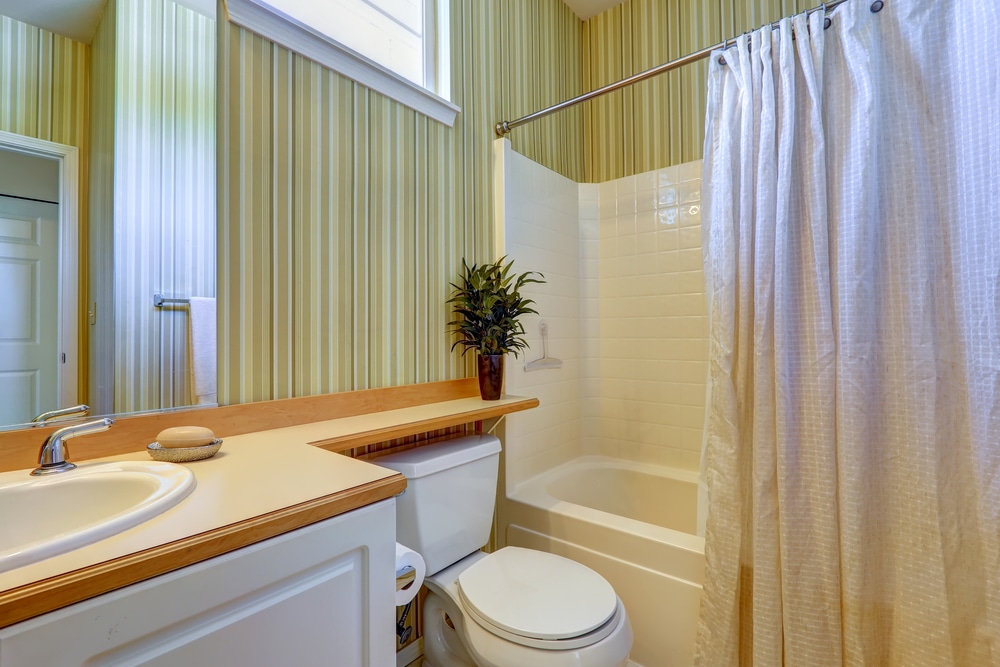
When it comes to bathroom wallpaper, the options are endless. From modern geometric patterns to classic florals, there's a wallpaper to suit every taste. But how do you choose the right one for your small bathroom? Consider the overall bathroom design and the mood you want to create. Do you want a serene spa-like space or a vibrant, energizing area? Your wallpaper choice can help you achieve this.
Making a Statement: Modern Wallpaper Designs for Small Spaces
Modern wallpaper designs are all about making a statement. Bold patterns and colors can transform a small bathroom into a standout space. Don't be afraid to go bold with your wallpaper choice. Even in a small bathroom, a striking wallpaper can create a focal point that draws the eye and distracts from the room's size.
Texture or Monochromatic? Deciding on the Perfect Wallpaper Pattern
When choosing your bathroom wallpaper, consider the impact of texture and color. A textured wallpaper can add depth and interest to a small bathroom, making it feel more spacious. On the other hand, a monochromatic wallpaper can create a sleek, modern look. Remember, your wallpaper should complement the other elements in your bathroom, such as the tile, vanity, and fixtures.
How to Evoke Big Style in a Small Bathroom with Wallpaper
Wallpaper can do wonders in a small bathroom. It can create an illusion of space, add a splash of colour, or introduce a striking pattern. For instance, a wallpaper with a large-scale pattern can make a small bathroom feel larger, while a wallpaper in a bold colour can add depth and interest. Don't forget about the ceiling – a wallpapered ceiling can draw the eye upwards and make the room feel taller.
Wallpaper Installation: A Step-by-Step Guide for Your Bathroom
Installing wallpaper in your bathroom can be a fun DIY project. Start by measuring your wall space and cutting the wallpaper to fit. Apply adhesive to the back of the wallpaper and carefully position it on the wall. Smooth out any bubbles and trim any excess. Remember to take your time – the key to a successful wallpaper installation is patience and precision.
Tropical or Understated? Choosing Wallpaper to Complement Your Bathroom Design
The type of wallpaper you choose should complement your bathroom design. If you have a tropical-themed bathroom, consider a wallpaper with palm leaves or exotic birds. If your bathroom design is more understated, a simple geometric or textured wallpaper might be a better fit.
Transforming Your Powder Room: Wallpaper vs. Tile
When it comes to decorating a powder room, both wallpaper and tile have their advantages. Wallpaper can provide a wide range of styles and is often easier to install than tile. However, tile can be more durable and easier to clean. Consider the use of your powder room and choose the option that best suits your needs.
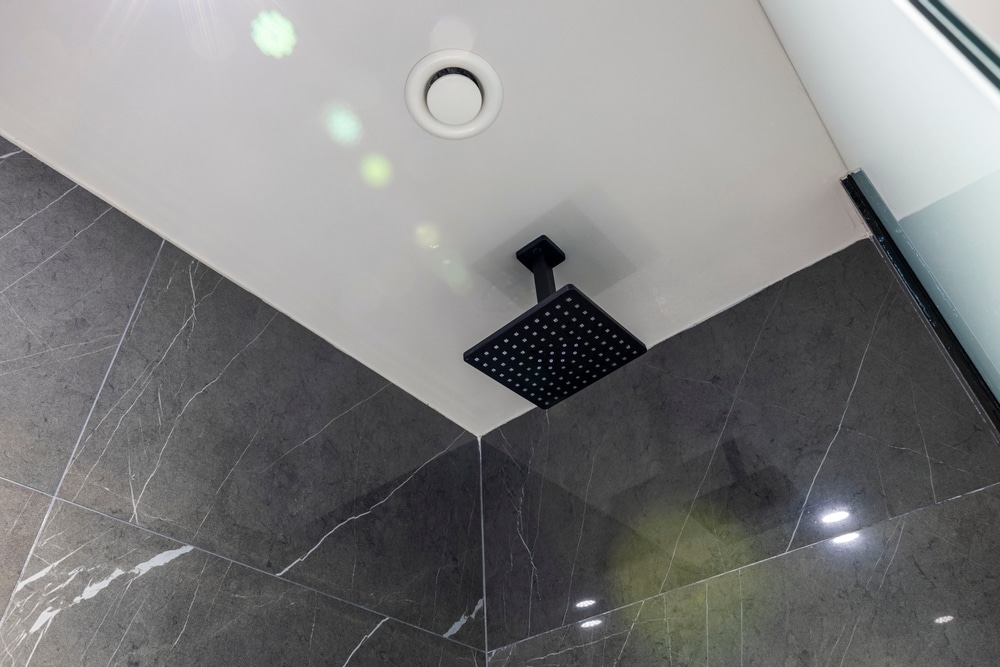
How to Incorporate Wallpaper into Your Bathroom Ceiling Design
Don't neglect the ceiling when wallpapering your bathroom. A wallpapered ceiling can add an unexpected element to your bathroom design. Choose a wallpaper that complements the rest of your bathroom, or go bold with a contrasting pattern or color.
Wallpaper and Fixtures: Coordinating Your Vanity, Tub, and Faucet
Your bathroom fixtures, including your vanity, tub, and faucet, should coordinate with your wallpaper. Consider the color and style of your fixtures when choosing your wallpaper. For example, a vintage-style wallpaper might pair well with a classic clawfoot tub and antique brass faucet.
Changing the Colour and Mood of Your Bathroom with Wallpaper
Wallpaper can dramatically change the colour and mood of your bathroom. A bright, vibrant wallpaper can create an energizing space, while a wallpaper in a soft, soothing color can create a relaxing retreat. Consider the mood you want to create in your bathroom and choose your wallpaper accordingly.
In conclusion, here are the key takeaways to remember when wallpapering a small bathroom:
- Wallpaper can dramatically transform a small bathroom, making it feel larger and more inviting.
- Consider the overall design and mood you want to create in your bathroom when choosing your wallpaper.
- Don't be afraid to go bold with your wallpaper choice. Even in a small bathroom, a striking wallpaper can create a focal point.
- Texture and colour are important considerations when choosing your wallpaper. A textured wallpaper can add depth, while a monochromatic wallpaper can create a sleek, modern look.
- Wallpaper installation requires patience and precision. Take your time to ensure a successful installation.
- Both wallpaper and tile have their advantages when decorating a powder room. Consider the use of your room and choose the option that best suits your needs.
- Don't neglect the ceiling. A wallpapered ceiling can add an unexpected element to your bathroom design.
- Your bathroom fixtures should coordinate with your wallpaper. Consider the colour and style of your fixtures when choosing your wallpaper.
- Wallpaper can change the colour and mood of your bathroom. Consider the mood you want to create and choose your wallpaper accordingly.
Remember, the key to a successful bathroom remodel is planning and creativity. With the right wallpaper, you can create a bathroom that is not only functional but also a reflection of your personal style. Happy decorating!
Welcome to the world of powder room wallpaper, where walls become canvases for creativity and interior design. The powder room, often a small space, presents the perfect opportunity to make a big impact with wallpaper. Whether you prefer bold and vibrant patterns, subtle textures, white wallpaper, or timeless designs, the right wallpaper can transform your powder room into a personal oasis. In this article, we will explore the best powder room ideas and benefits of incorporating wallpaper into your rustic powder room decor.
The Importance of Wallpaper in the Powder Room
Wallpaper plays a pivotal role in the powder room, elevating its aesthetic appeal and making a statement within a compact space. It has the power to instantly transform a plain powder room into a luxurious retreat or a playful haven. Wallpaper offers a wide array of colors, patterns, and textures that can match your nice black cabinets or set the tone for the entire room. It adds depth, visual interest, and personality, making the powder room a captivating and memorable space for both residents and guests.
Exploring Different Wallpaper Styles for Powder Rooms
Exploring different wallpaper styles opens up a world of possibilities for powder room design. From elegant damask patterns to whimsical florals, and from contemporary geometric prints to textured grasscloth, there is a wallpaper style to suit every taste and aesthetic, even for small spaces like a small bathroom. Bold and vibrant wallpapers can create a striking focal point, while subtle and delicate designs can add a touch of sophistication. By choosing the right wallpaper style, you can infuse your powder room with personality and create a space that truly reflects your unique style.

Selecting the Right Wallpaper Color Palette for Your Powder Room
Choosing the perfect wallpaper color palette is crucial in creating the desired ambiance in your powder room. Soft pastels like blush pink or light blue can evoke a sense of tranquility, while bold hues like deep navy or emerald green can add drama and sophistication. Neutral tones such as beige or gray offer versatility and timeless elegance. Consider the existing elements in your powder room, such as fixtures and decor, to select a color palette that complements and enhances the overall aesthetic of a vessel sink or other hardware.
Patterns and Prints: Choosing Wallpaper Designs for a Statement Look
When it comes to creating a statement look in your powder room, patterns and prints take center stage. Geometric designs can add a modern and sleek touch, while floral motifs bring a sense of romance and charm. Stripes can create a bold and dynamic effect, while damask patterns exude elegance and sophistication. Don't be afraid to mix and match patterns or experiment with large-scale prints for a dramatic impact. Choosing the right wallpaper design allows you to make a memorable statement in your powder room to go with a luxurious half bath or full bath with an antique vanity.

Creating Visual Interest: Texture and Metallic Wallpaper Options
Texture and metallic wallpapers are excellent choices for adding visual interest and depth to your powder room. Textured wallpapers, such as grasscloth or embossed designs, create a tactile experience and bring a touch of organic warmth to the space. Metallic wallpapers, with their shimmering finishes, can infuse your wallpaper powder room with a luxurious and glamorous ambiance. Whether you opt for a subtle texture or a bold metallic sheen, these wallpaper options add dimension and visual allure, making your powder room truly captivating.
Wallpaper Materials: Finding the Perfect Balance of Durability and Style
Choosing the right wallpaper material is essential in finding the perfect balance between durability and style for your powder room. Vinyl wallpapers are known for their resilience and water resistance, making them ideal for high-moisture areas. Paper wallpapers offer a wide range of designs and textures, striking a balance between affordability and style. Fabric and grasscloth wallpapers bring a touch of luxury but require more delicate care. Consider the unique needs of your powder room to select a wallpaper material that combines durability with the desired aesthetic appeal for an accent wall or to complement marble countertops.
Wallpaper Installation Tips for a Flawless Finish in Your Powder Room Ideas
Installing wallpaper in your powder room can be a rewarding project when done correctly. Before starting, ensure your walls and ceiling are clean, smooth, and properly primed. Measure and cut the wallpaper accurately, allowing for pattern matching if necessary. Apply wallpaper adhesive evenly, working in small sections, and use a smoothing tool to eliminate air bubbles. Take your time to align patterns and trim excess wallpaper neatly. Proper preparation and attention to detail during installation will result in a flawless and professional-looking finish.

Powder Room Wallpaper Ideas: Design Guidelines to Follow
When it comes to powder room wallpaper, following design guidelines can help you create a cohesive and visually appealing space. Consider the size of your bathrooms or powder room and choose wallpapers that won't overwhelm the space. Opt for lighter colors or small-scale patterns in compact powder rooms to create a sense of openness. In larger powder rooms, bold patterns or darker colors can make a dramatic statement. Harmonize the wallpaper with other elements like fixtures, flooring, and accessories to create a cohesive design scheme that reflects your personal style.