
Your bedroom should feel comfortable, personal, and finished. The right wallpaper for bedroom walls can add warmth, depth, colour, and texture in ways that paint alone cannot. From a subtle grasscloth to a bold botanical pattern, wallpaper gives you plenty of options for creating a bedroom that reflects your style.
For Toronto homeowners, the right choice also depends on the size and lighting of the room, the condition of the walls, and how much of the space you want to transform. Here are some bedroom wallpaper ideas to help you choose a look that works for your home.
Why Wallpaper Works So Well in Bedrooms
Bedrooms are well suited to wallpaper because they generally experience less daily wear than kitchens, bathrooms, hallways, and other high-traffic areas. This gives homeowners more freedom to consider a wider range of patterns, textures, and specialty wallcoverings.
Wallpaper can also add visual depth that is difficult to achieve with paint alone. Textured finishes create dimension, while patterns can introduce colour and character. The right design can also help tie together bedding, curtains, furniture, and other elements of the room.
For a bedroom, the goal is not simply to cover the walls. It is to create a cohesive space where the wallpaper works with the rest of the décor.
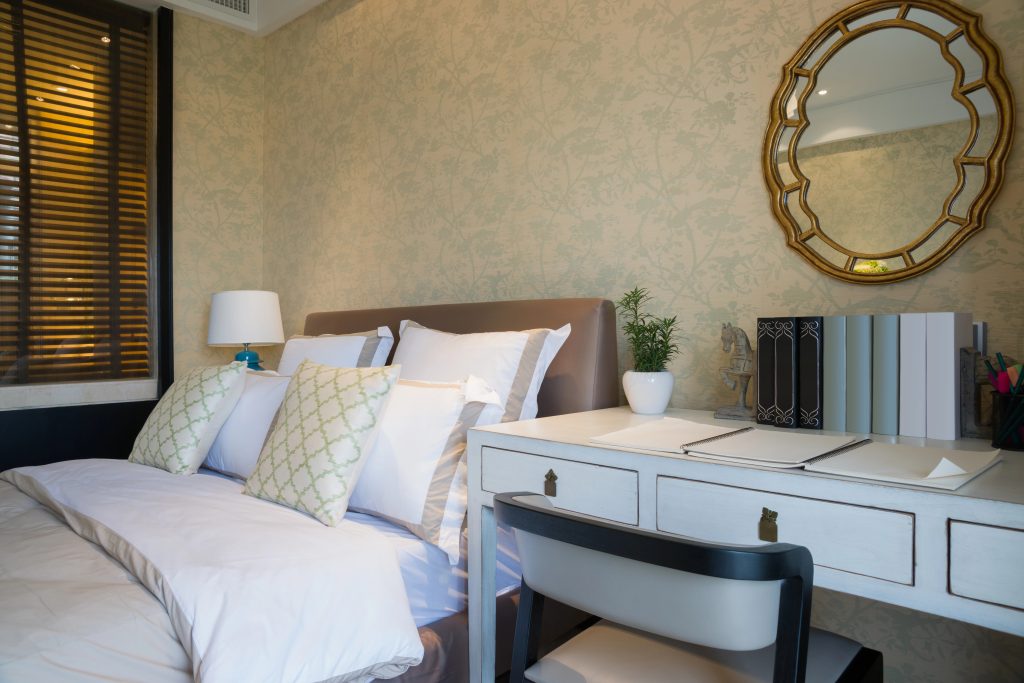
How to Choose Wallpaper for Your Bedroom
Start by considering the atmosphere you want to create, then choose a pattern, colour, and texture that supports it.
Decide on Mood First
Think about how you want the bedroom to feel.
Deep colours such as charcoal, navy, forest green, or plum can create a more intimate and enveloping atmosphere. Lighter neutrals, warm whites, soft blues, and other pale shades can help a room feel brighter and more open.
Texture can also influence the overall mood. A subtle woven or natural-looking finish can add warmth without introducing a strong pattern, while a more decorative design can become the main focal point of the room.
Consider the Room's Natural Light
Lighting can significantly affect how wallpaper looks once it is installed. A darker pattern may feel more dramatic in a bright, naturally lit bedroom, while a lighter design can help keep a room with limited natural light feeling open.
Before making a final decision, look at wallpaper samples at different times of day. Colours and finishes can appear noticeably different depending on the amount and direction of natural and artificial light.
Match the Pattern Scale to the Space
Consider the size of both the room and the wall before choosing a pattern.
Large-scale designs can create a strong focal point on a wide, relatively unobstructed wall. Smaller bedrooms may benefit from tighter patterns, subtle geometrics, or textured wallpaper that adds interest without competing with furniture.
The position of the bed, windows, doors, and built-ins should also be considered. A pattern needs enough uninterrupted wall space to make the intended visual impact.
Choose a Design You Can Live With
Wallpaper can make a significant difference to a bedroom, so choose a design that works with your existing décor and personal taste rather than following a trend simply because it is popular.
Classic florals, subtle stripes, natural textures, and understated geometric patterns can remain appealing for years. Ordering samples and viewing them in the actual room is one of the best ways to determine whether a colour and pattern work with your lighting and furnishings.
Bedroom Wallpaper Ideas by Style
Create a Bedroom Accent Wall
A bedroom accent wall is one of the simplest ways to introduce wallpaper without covering every surface.
The wall behind the bed is a natural choice because it already acts as the room's focal point. A distinctive pattern or texture can frame the bed and create a finished backdrop while the remaining walls stay painted in a complementary colour.
An accent wall can also be a practical choice when you want to make a noticeable design change without committing to wallpaper throughout the entire room. Apex Wallpaper regularly works on both accent walls and complete rooms as part of its Toronto residential wallpaper installation services.
Add Texture With Grasscloth
Grasscloth is a popular option for homeowners who want texture without relying on a bold printed pattern. Made from natural fibres, it creates a layered, organic appearance that can add warmth and sophistication to a bedroom.
Natural grasscloth also has characteristics that should be considered before installation. Variations in colour and texture are part of the material's natural appearance, and seams can be visible. Proper planning, material handling, wall preparation, and installation are particularly important when working with specialty wallcoverings.
Bring the Outdoors in With Botanicals and Florals
Botanical patterns, leaves, vines, and florals are natural choices for bedrooms. They can introduce colour and movement while creating a connection with the outdoors.
For a softer look, consider muted greens, blues, creams, or neutral floral patterns. If you want the wallpaper to make a stronger statement, a larger botanical design or floral pattern against a darker background can create a dramatic focal wall.
Create a Moody Bedroom
Dark wallpaper can give a bedroom a more intimate and sophisticated feel. Navy, charcoal, deep green, and other saturated shades can work particularly well when balanced with lighter bedding, warm lighting, natural wood, or metallic accents.
This approach can be especially effective on a feature wall behind the bed, where the darker colour creates a defined backdrop without necessarily making the entire room feel dark.
Don't Forget Ceilings and Nooks
Wallpaper does not have to stop at the walls.
A patterned ceiling can create an unexpected design feature, while wallpaper inside an alcove, dormer, or other small architectural area can make an otherwise overlooked space more distinctive. These applications require careful planning, particularly around corners, angles, trim, and other architectural details.
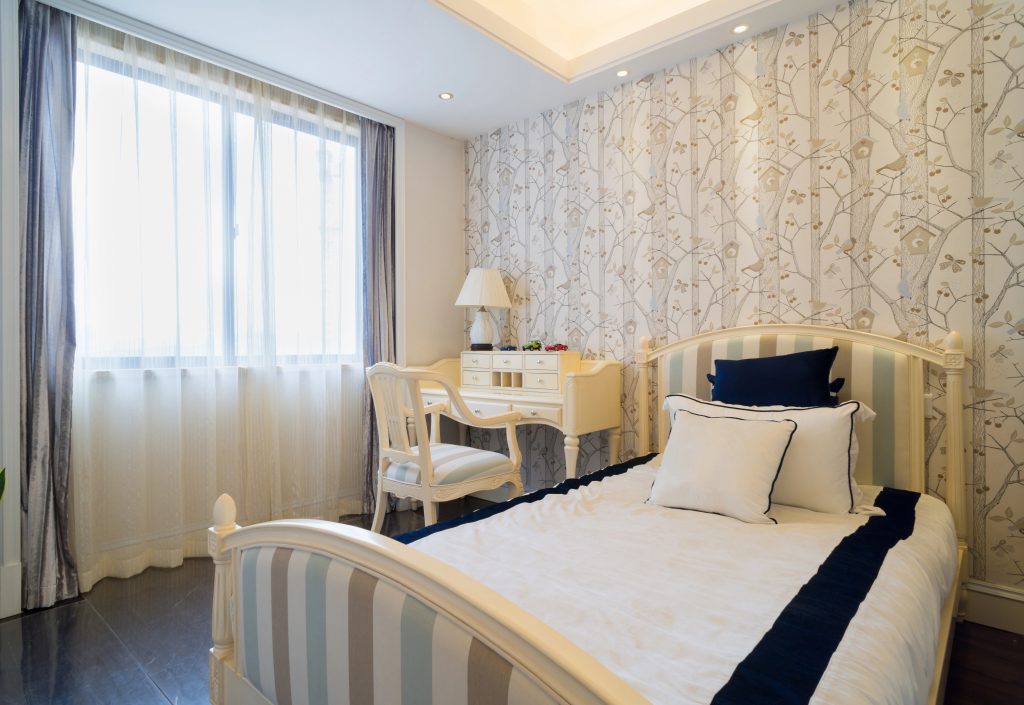
What Toronto Homeowners Should Know Before Installing Wallpaper
The condition of the wall underneath the wallpaper affects the finished result. Walls may need cleaning, patching, smoothing, or priming before installation, particularly in older Toronto homes with plaster or existing wallpaper.
Different wallcoverings also have different installation requirements. Choosing the right adhesive and preparation method for the material, along with proper pattern alignment, is especially important for specialty papers, intricate designs, and challenging walls or architectural details.
Peel-and-stick wallpaper can be a practical option for some temporary applications, but always check the manufacturer's instructions and make sure the product is suitable for your wall surface.
Create a Bedroom That Feels Like Your Own
The best bedroom wallpaper is not necessarily the boldest or most fashionable design. It is the one that works with your room, lighting, furniture, and personal style.
A single accent wall can make a strong statement, while a textured or understated wallpaper can create a more subtle change throughout the room. Whatever direction you choose, proper wall preparation and professional installation can help ensure the finished result looks as intended.
Apex Wallpaper has been providing wallpaper installation in Toronto since 1998, with experience working on accent walls, complete rooms, residential projects, and specialty wallcoverings.
Working from home shouldn't mean staring at a blank, boring wall. The right wallpaper for home office spaces can boost your focus, lift your mood, and make your workday feel less like a chore. In this post, you'll learn how to choose office wallpaper ideas that fit your work style, your space, and your personality — plus a few tips specific to home offices in Toronto.
Why Wallpaper Matters for WFH Design
A well-designed home office should support the way you work while reflecting your personal style. Wallpaper introduces colour, texture, and pattern that painted walls often can't achieve, allowing homeowners to create a workspace that feels polished and intentional.
Beyond aesthetics, wallpaper also contributes to the overall atmosphere of a room. Soft textures and calming colours can create a more relaxing environment for focused work, while bold feature walls add energy without overwhelming the space. With today's wide selection of wallpaper materials and designs, it's easier than ever to create a workspace that balances style with everyday functionality.

Office Wallpaper Ideas for Every Home Office Style
The best wallpaper for home office spaces depends on how the room is used, the amount of natural light, and the atmosphere you want to create.
Calm and Minimal
Soft neutrals, warm greys, sage greens, and muted blues create a clean backdrop that encourages concentration. These understated designs are ideal for professionals who spend long hours writing, analyzing data, or attending virtual meetings, offering a timeless look that won't distract from daily tasks.
Bold Feature Walls
A single feature wall behind your desk adds visual interest without overpowering the room. Large-scale patterns, rich colours, or textured wallpaper can define the workspace while creating a polished background for video calls.
Nature-Inspired Designs
Botanical prints, organic textures, and subtle leaf patterns help bring the calming influence of nature indoors. These designs work particularly well in WFH design plans focused on reducing visual clutter while creating a more welcoming workspace.
Textured Wallpaper
Wallpaper with linen, grasscloth-inspired, or woven finishes adds depth and sophistication without relying on bold patterns. Textured designs pair well with modern shelving, wood furniture, and minimalist décor, making them a versatile choice for many home offices.
Creative and Contemporary
For designers, artists, and other creative professionals, geometric patterns, abstract prints, or colourful contemporary wallpaper can make the workspace feel more inspiring while expressing individual style.
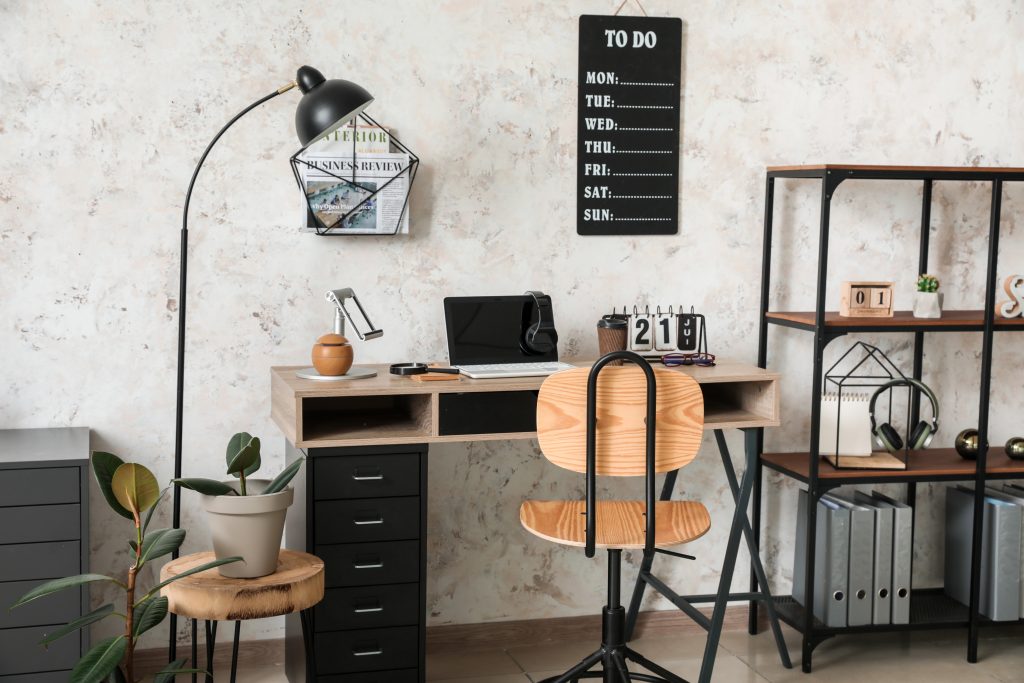
Choosing the Right Wallpaper for Home Office Spaces
Once you've found a style you like, consider how it will perform in your space over time.
Consider Your Work Style
If your home office is regularly used for video meetings, wallpaper with subtle textures or refined patterns creates a professional backdrop that looks clean on camera. Private workspaces provide greater flexibility to experiment with bolder colours and statement designs.
Match the Room's Natural Light
Lighting significantly affects how wallpaper appears throughout the day. Smaller or darker rooms benefit from lighter colours that reflect available light, while bright spaces can accommodate deeper tones and larger patterns without feeling enclosed.
Think Long Term
Since a home office is used daily, choosing timeless designs often provides the best long-term value. Classic botanicals, understated geometrics, textured finishes, and neutral colour palettes continue to complement changing décor for years to come.
Home Office Wallpaper Toronto Considerations
For homeowners searching for home office wallpaper solutions, local conditions are worth considering before installation.
Many Toronto homes, particularly older properties, feature plaster walls or uneven surfaces that require careful preparation before wallpaper is applied. Proper wall preparation helps ensure a smooth finish and reduces the risk of bubbling or lifting over time.
Seasonal humidity can also affect wallpaper performance, especially in basement offices or converted living spaces. Selecting quality wallpaper suited to the environment and ensuring professional installation can significantly improve durability and appearance.
For homeowners looking for greater flexibility, peel-and-stick wallpaper offers an easy way to refresh a workspace with minimal commitment, while traditional wallpaper provides a seamless, long-lasting finish when professionally installed.
Practical Tips for Installing Office Wallpaper
Proper installation helps ensure wallpaper looks its best and performs well for years to come.
- Measure walls carefully before ordering and purchase extra material to accommodate pattern matching.
- Prepare walls by cleaning, repairing, and smoothing the surface before installation begins.
- View wallpaper samples in natural and artificial lighting to understand how colours change throughout the day.
- Professional installation is recommended for textured wallpapers, murals, and complex patterns to achieve precise alignment and a flawless finish.
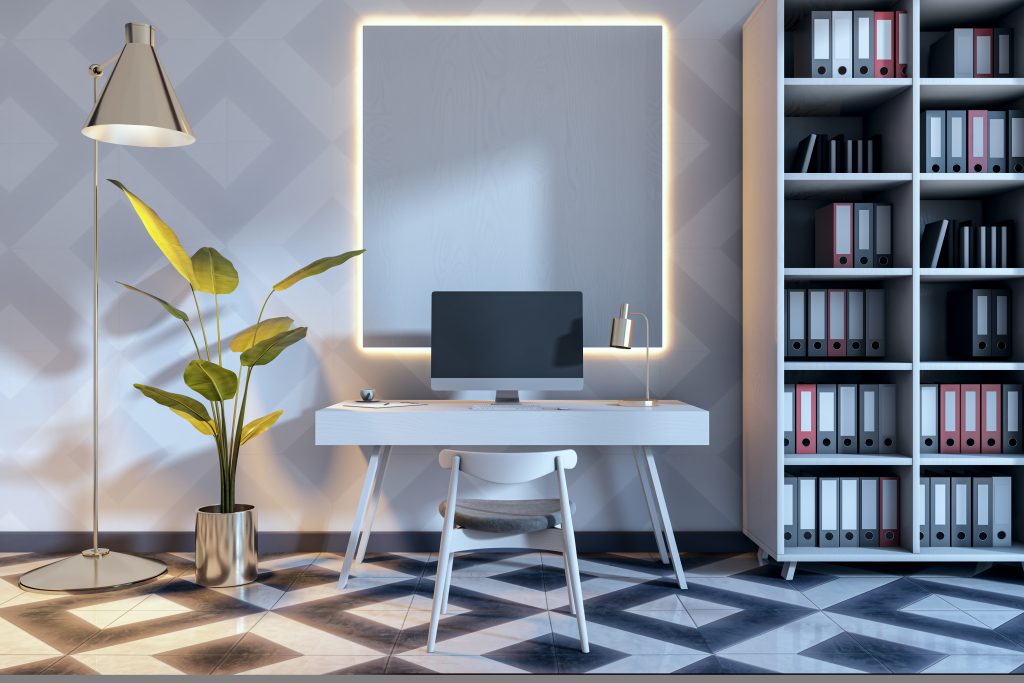
Create a Home Office That Works as Hard as You Do
The right wallpaper for home office spaces does more than update the appearance of the room, it helps create an environment that’s comfortable, inspiring, and suited to the way you work. From calming neutral textures to bold feature walls and nature-inspired designs, the right wallpaper can make working from home feel more enjoyable while complementing the overall style of your home.
Apex Inc. offers expert guidance, quality materials, and professional installation. Get in touch to achieve a finished space that combines lasting performance with thoughtful design.
Choosing wallpaper for your child's room is an opportunity to create a space that is both functional and visually appealing. Whether you're designing a nursery for a newborn or updating a bedroom for a growing child, the right wallpaper can add personality, warmth, and lasting style. With a wide variety of colours, patterns, and materials available, selecting the right option means considering more than appearance alone. Durability, safety, ease of maintenance, and long-term versatility all play an important role in creating a space that both children and parents will enjoy for years to come.
Why Wallpaper Works So Well in Kids' Rooms and Nurseries
Wallpaper offers a practical way to introduce colour, texture, and pattern without the limitations of paint. A thoughtfully chosen accent wall can create a calming nursery, inspire imaginative play in a child's bedroom, or add visual interest to a space that will evolve over time.
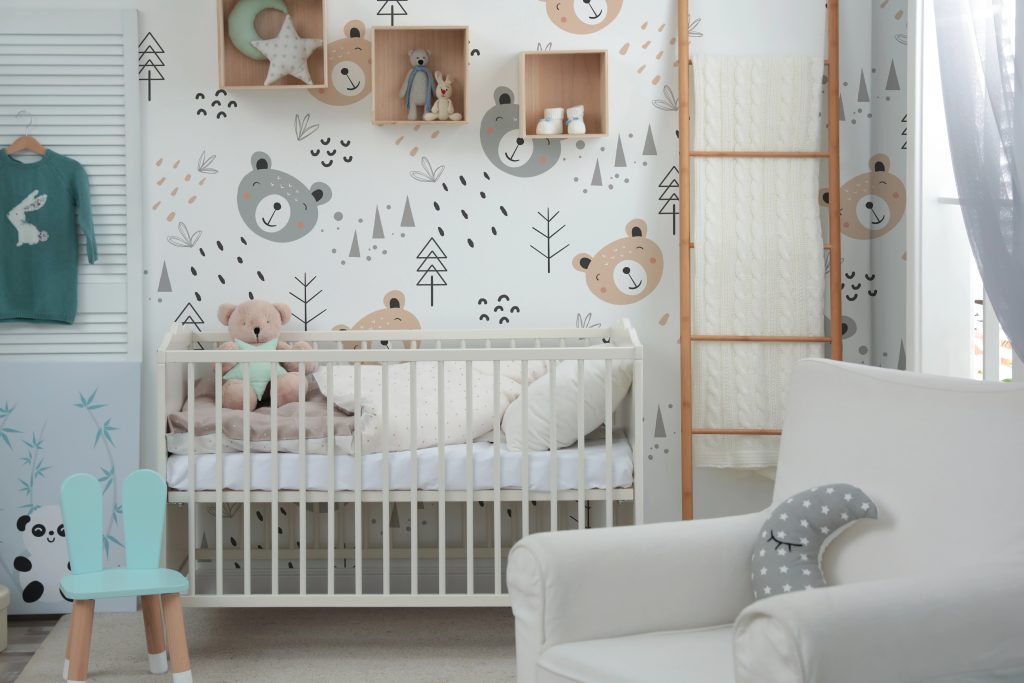
With a wide range of colours, patterns, and finishes available, children's bedroom wallpaper makes it easy to create a room that reflects your family's style. From soft botanical prints and gentle clouds to playful animals and modern geometric designs, wallpaper offers design flexibility for every age.
Wallpaper can also be a practical choice for busy households. Patterned surfaces often disguise minor scuffs and everyday wear better than painted walls, helping children's bedrooms maintain a fresh appearance between updates.
How to Choose the Right Nursery Wallpaper
A nursery should feel comfortable, relaxing, and designed to grow with your family. Beyond selecting a pattern you love, it's worth considering wallpaper materials, durability, and the room's environment before making your decision.
Look for Low-VOC and Non-Toxic Materials
When selecting nursery wallpaper, choose products labeled low-VOC or non-toxic whenever possible. These materials can contribute to better indoor air quality, making them a practical option for spaces where infants and young children spend significant time.
Choose Designs That Grow with Your Child
Timeless wallpaper patterns often provide the best long-term value. Instead of selecting designs based on short-lived trends or licensed characters, consider versatile options such as stars, woodland animals, florals, stripes, or subtle geometric patterns. These designs transition easily from nursery to toddler room and beyond, reducing the need for frequent redecorating.
Consider the Right Wallpaper Material
Different wallpaper materials offer different advantages depending on your family's needs.
- Vinyl wallpaper is durable, moisture-resistant, and easy to clean, making it a popular choice for children's bedrooms.
- Non-woven wallpaper is breathable, dimensionally stable, and often easier to install and remove than traditional wallpaper.
- Peel-and-stick wallpaper offers flexibility for renters or homeowners who anticipate changing the room's design in the future.
Choosing the right material is just as important as selecting the right pattern, particularly in rooms that experience daily activity.
Best Children's Bedroom Wallpaper Styles for Every Age
As children grow, their interests and preferences naturally change. Selecting wallpaper that suits each stage helps create a space that remains both functional and visually appealing.
Nurseries and Toddlers
Soft colours, gentle illustrations, and subtle textures create a calm environment that supports rest and play. Popular choices include clouds, woodland animals, rainbows, botanical prints, and simple textured designs.
School-Age Children
As children develop their own interests, wallpaper can become a creative design feature within the room. Nature-inspired murals, adventure themes, space designs, or colourful geometric patterns can add personality while remaining suitable for future updates.
Tweens and Teens
Older children often prefer more refined interiors. Neutral textures, contemporary patterns, muted colours, or a stylish feature wall allow the room to feel more mature without requiring a complete renovation.
Durability Matters: Washable and Removable Options
Children's bedrooms experience frequent everyday wear, making durability an important consideration.
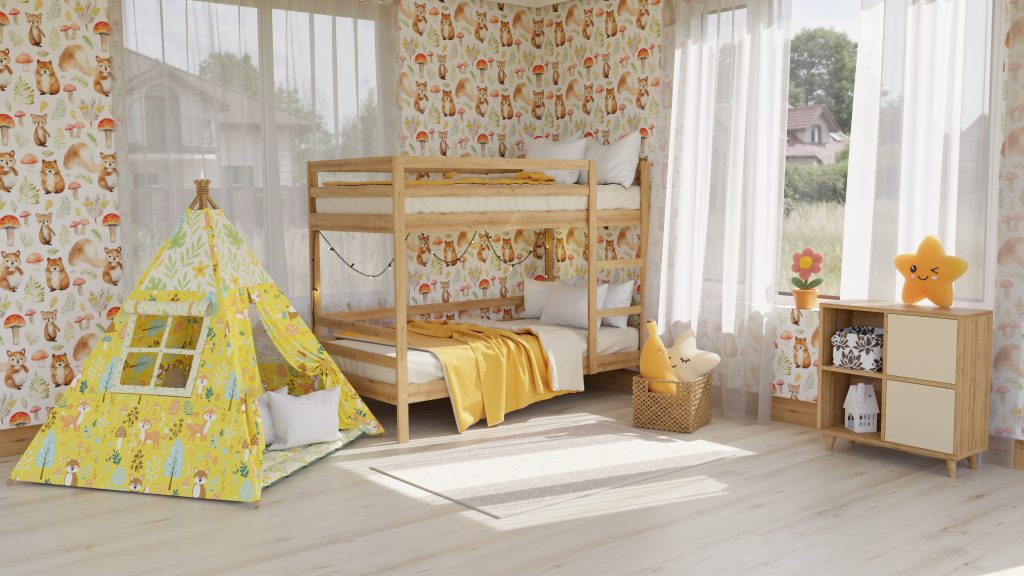
Washable wallpaper allows many common marks and fingerprints to be cleaned without damaging the finish, making it well suited to active family spaces. Removable or peel-and-stick wallpaper is another practical solution for homeowners who expect to refresh the room's appearance as children grow.
Before purchasing, request a sample whenever possible. Viewing the wallpaper in your home's natural lighting and testing its finish can help ensure it complements your space and performs as expected.
Finding Kids Wallpaper in Toronto
Homeowners looking for kids wallpaper in Toronto have access to a wide variety of styles, materials, and finishes through local wallpaper suppliers and showrooms.
Many Toronto homes, particularly older properties, feature plaster walls that may require additional preparation before wallpaper installation. Proper surface preparation helps create a smoother finish and improves long-term adhesion. Seasonal humidity changes can also influence installation, making professional guidance valuable when selecting both wallpaper materials and adhesives.
Working with a Toronto wallpaper specialist also provides the opportunity to view samples in person and compare colours and textures before making a final decision.
Installation Tips for Toronto Homes
Proper installation plays an important role in both the appearance and longevity of wallpaper.
Before installation, walls should be clean, smooth, and properly primed to promote strong adhesion. Older plaster walls may require patching or skim coating to eliminate surface imperfections.
Rooms located near exterior walls or below grade should also be checked for excess moisture before installation, as humidity can affect wallpaper performance over time.
Large-scale murals, textured wallpaper, and intricate repeating patterns benefit from professional installation, where careful pattern matching and precise seam alignment produce a clean, consistent finish.
If you're decorating a nursery or child's bedroom, it's also a good idea to schedule installation before the room is fully furnished. Allowing the space to air out after installation creates a more comfortable environment before your child begins using the room.
Creating a Space That Grows with Your Child
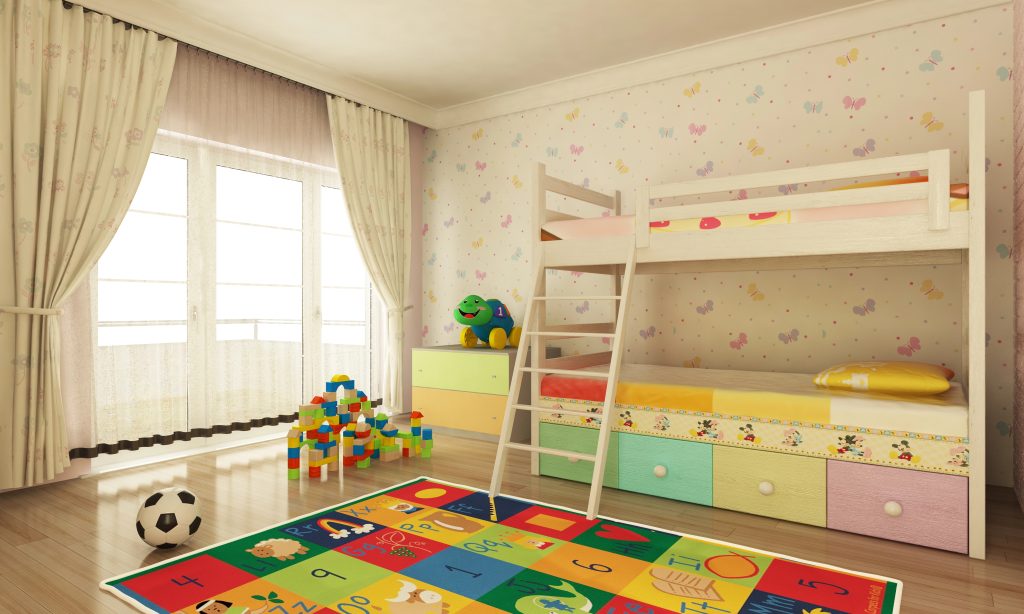
The right wallpaper can do more than enhance the appearance of a child's room. It can create a comfortable environment that adapts to changing needs while maintaining its style over time. Choosing durable materials, practical finishes, and versatile designs helps ensure the space remains functional from the early years through the next stages of childhood.
Equally important is proper wall preparation and professional installation. When the right materials are paired with expert workmanship, wallpaper can provide a long-lasting finish that continues to perform well despite the demands of everyday family life.
Selling a home in Toronto can be competitive, and first impressions often play an important role in how buyers perceive a property.
If you're preparing your home for the market, you've likely considered decluttering, painting, and deep cleaning. However, one design element that is often overlooked during home staging Toronto projects is wallpaper.
When thoughtfully selected and professionally installed, wallpaper can add character, texture, and visual interest to a space. As part of an effective home staging strategy, it can help create a polished appearance that stands out to prospective buyers.
Why Wallpaper Works for Home Staging in Toronto
Toronto buyers often view multiple properties before making a decision. Homes that feel thoughtfully designed and well-maintained tend to leave a stronger impression.
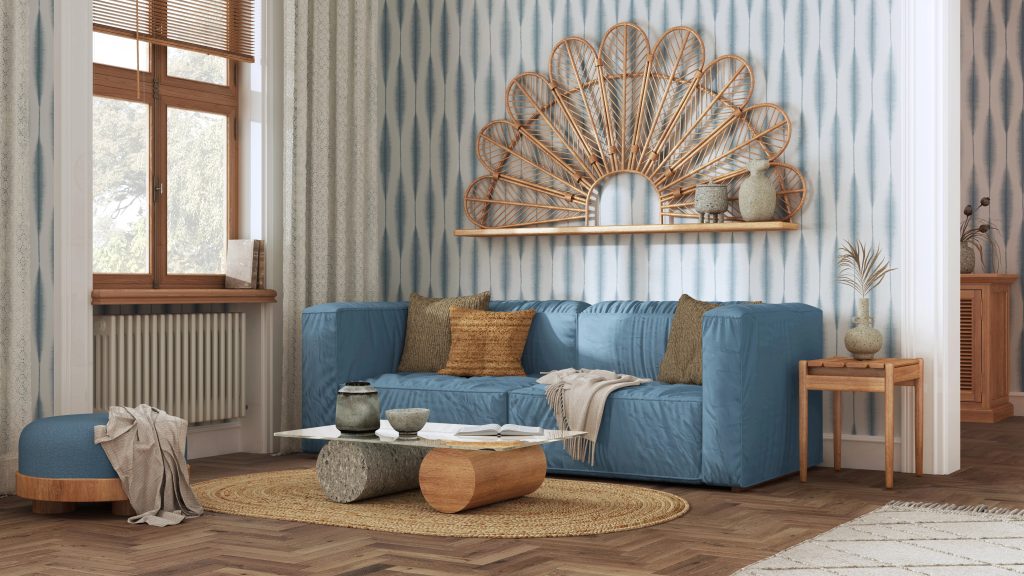
Wallpaper offers an opportunity to add depth, texture, and personality in ways that paint alone often cannot. Whether it's a subtle textured finish or a carefully chosen pattern, wallpaper can help create a more refined look throughout the home.
For homeowners considering wallpaper home staging, these design enhancements can help rooms feel more inviting, memorable, and visually appealing both online and during showings.
Where to Add Wallpaper Before You List
You don't need to wallpaper an entire home to make an impact. Strategic placement is often the most effective approach when preparing a property for sale.
The Entryway
The entryway is one of the first spaces buyers see when they enter a home. Adding wallpaper here can create a welcoming atmosphere and establish a strong first impression that carries throughout the rest of the property.
The Primary Bedroom
The primary bedroom is often a focal point for buyers. A feature wall with a soft pattern or subtle texture can create a relaxing, finished appearance while helping the room feel warm and inviting.
The Dining Room
Dining rooms can sometimes feel underutilized or overlooked. Wallpaper can help define the space, add visual interest, and create a more intentional design that enhances the overall presentation of the home.
The Powder Room
Small spaces often provide excellent opportunities to introduce wallpaper. A well-designed powder room can leave a lasting impression, and wallpaper offers a simple way to add style and character without overwhelming the space.
How Wallpaper Can Help Increase Home Value
For homeowners looking to increase home value, Toronto buyers may recognize and appreciate presentation matters. Well-staged homes often attract greater attention from prospective buyers, and wallpaper can be a cost-effective way to enhance a property's overall appeal.
Here's why wallpaper can be beneficial before listing a home:
It Differentiates Your Listing
Many homes feature neutral paint colours and similar finishes. Wallpaper can introduce visual interest that helps your property stand out and remain memorable to buyers viewing multiple listings.
It Signals Attention to Detail
Professionally installed wallpaper can contribute to a finished, high-quality appearance. Buyers often notice design details that suggest a home has been thoughtfully maintained and updated.
It Photographs Exceptionally Well
Online listings are often a buyer's first introduction to a property. Wallpaper can add texture and depth that translates beautifully in listing photos, helping rooms appear more visually engaging.
It's a Targeted Investment
Unlike major renovations, wallpaper can provide a noticeable visual upgrade without requiring extensive construction. Even a single feature wall can enhance the overall perception of a room.
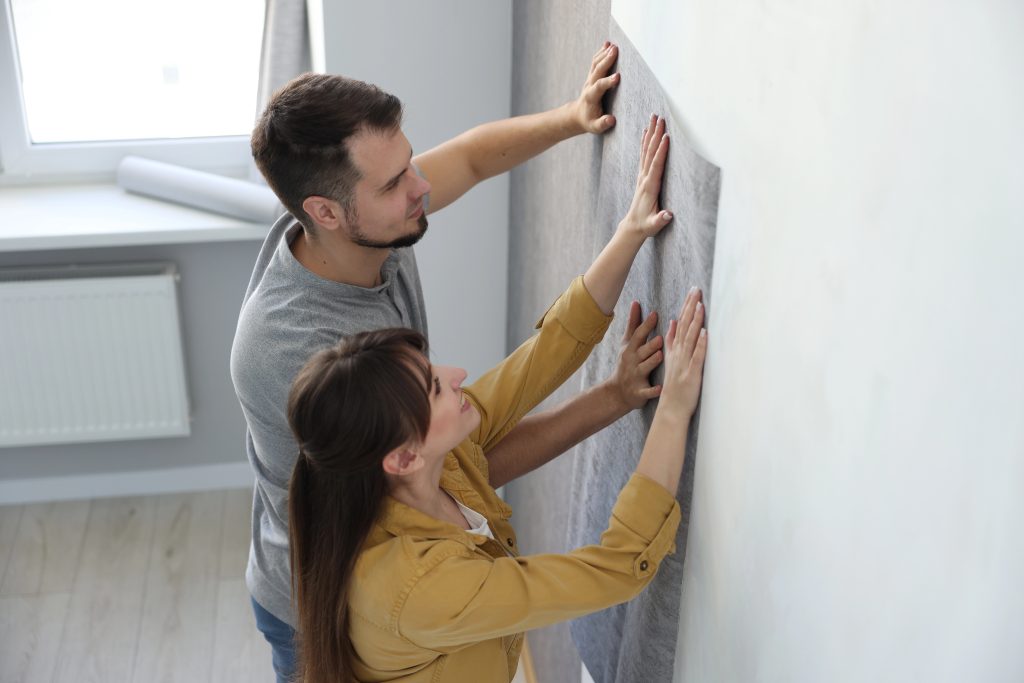
What to Choose: Patterns, Textures, and Colours for Staging
When selecting wallpaper for staging, it's generally best to focus on broad appeal rather than personal preferences.
Subtle geometrics, soft botanical designs, and textured finishes are often excellent choices because they add visual interest without overwhelming the space.
Neutral colour palettes tend to work well in most rooms. If you'd like to incorporate a bolder design, consider limiting it to an accent wall or a smaller area such as a powder room.
The goal is to create a timeless, welcoming look that appeals to a wide range of buyers.
Why Professional Installation Matters Before You Sell
If you're considering wallpaper before selling your home, professional installation is essential.
Even high-quality wallpaper can have a negative impact if seams are visible, patterns don't align properly, or bubbles and lifting occur. Buyers often notice these imperfections, especially during showings.
Professional installation helps ensure clean lines, precise pattern matching, and a polished final result that complements the overall staging effort.
Ready to Increase Your Home's Value Before You Sell?
Wallpaper remains one of the most overlooked tools in home staging Toronto projects. Whether you're refreshing an entryway, upgrading a powder room, or creating a feature wall in the primary bedroom, wallpaper can help enhance your home's overall presentation.
If you're considering wallpaper before selling your property, Apex Wallpaper can help you choose the right design solutions for your space. Our experienced team provides professional installation services that help homeowners create a polished, memorable impression for prospective buyers. Get in touch today.
The kitchen is more than just a place to cook, it’s where daily routines unfold, conversations happen, and design choices can truly shape the feel of your home. Wallpaper offers a practical and visually striking way to elevate this space, introducing texture, pattern, and personality without the need for a full renovation. With the right selection, it can enhance everything from modern layouts to more traditional interiors while standing up to the demands of a busy kitchen environment.
Why Choose Wallpaper for Your Kitchen?
Wallpaper brings dimension and character to kitchen walls in ways paint simply can’t match. It allows you to create a striking feature wall behind open shelving, add pattern to a breakfast nook, or cover an entire space with a cohesive design.
Modern kitchen wallpaper materials are specifically engineered to withstand cooking moisture, splashes, and temperature changes, factors that typically make kitchens more challenging than other areas of the home.
Many Toronto homeowners are turning to wallpaper as a way to define their kitchen style without the cost or disruption of major renovations. With the wide range of patterns, textures, and finishes available today, it’s easy to achieve anything from farmhouse charm to sleek, contemporary elegance.
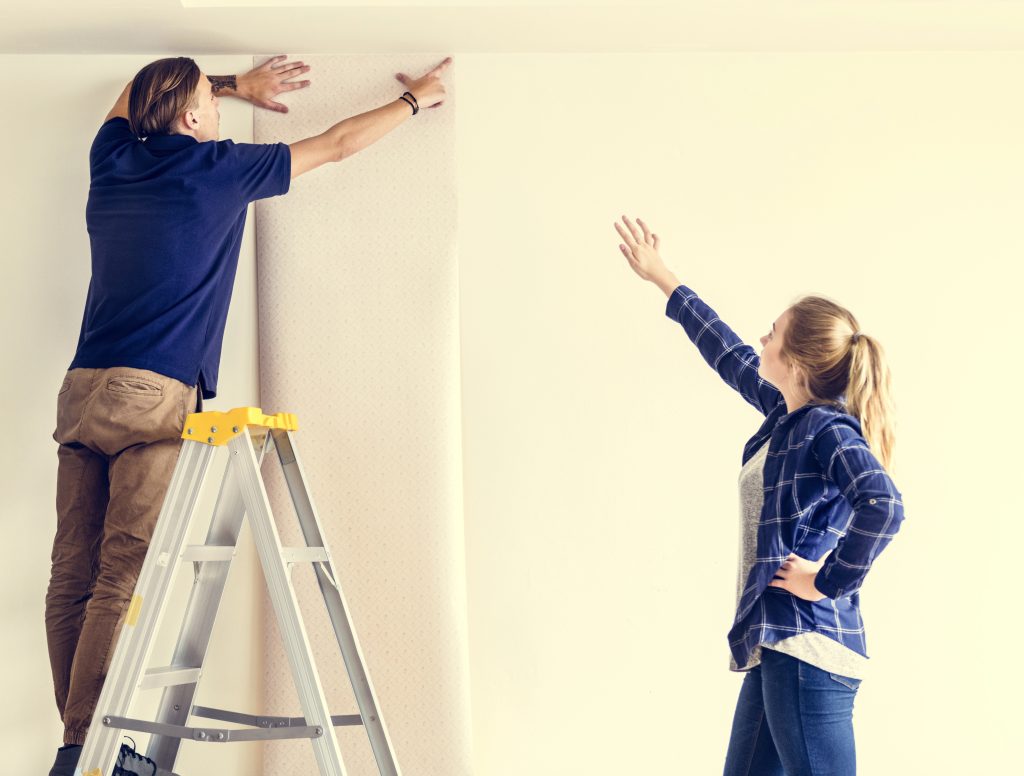
Best Materials for Kitchen Wallpaper
Vinyl Wallpaper for Kitchens
Vinyl wallpaper remains the top choice for kitchen applications. This durable material resists moisture, grease, and steam far better than traditional paper options, making it ideal for high-use areas.
Solid vinyl wallpaper offers the highest level of protection, with a fully waterproof surface that works well near sinks and prep areas. Vinyl-coated paper provides a balanced option, combining design flexibility with reliable durability.
Kitchen Wallpaper Design Ideas
Feature Wall Impact
Creating a feature wall behind a kitchen island or dining area adds visual interest without overwhelming the space. Geometric patterns, botanical prints, or textured designs can complement cabinetry and countertops while adding depth.
Wallpaper with metallic accents reflects light effectively, helping smaller kitchens feel brighter and more open. Finishes in gold, silver, or copper can also introduce a subtle layer of sophistication.
Colour Coordination
Choose wallpaper colours that tie in with your kitchen’s existing elements. Neutral tones with subtle patterns provide a versatile backdrop, while bolder colours can serve as a focal point.
In open-concept Toronto homes, selecting wallpaper that visually connects with adjacent living areas helps maintain cohesion while still defining separate spaces.
Pattern Selection
Smaller-scale patterns work well in compact kitchens, adding interest without overwhelming the space. Larger patterns are better suited for kitchens with more square footage or higher ceilings.
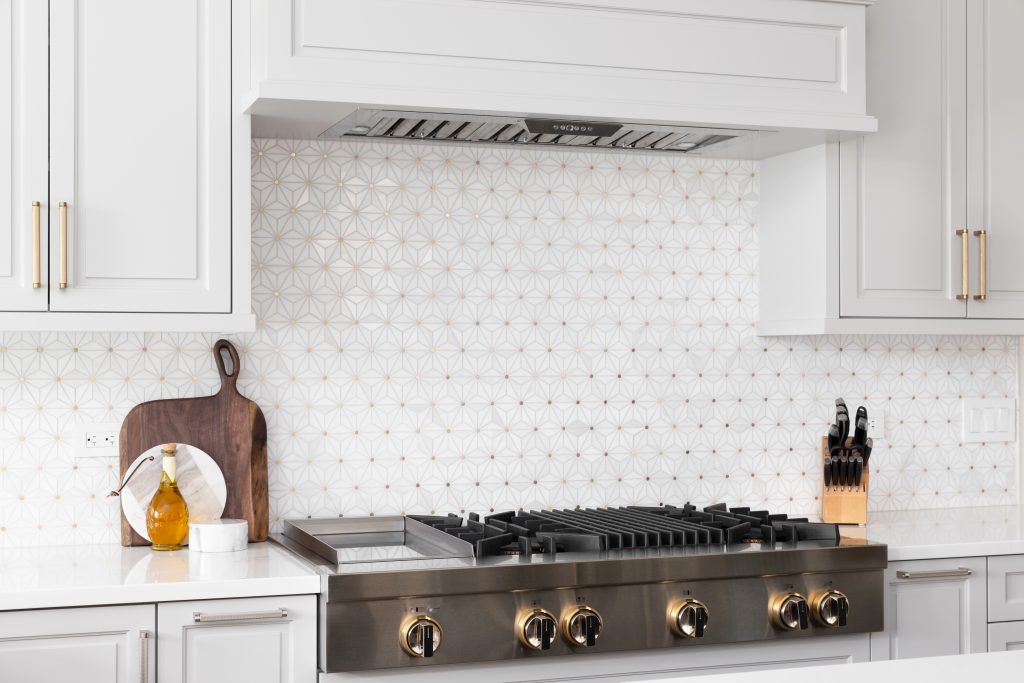
Wallpaper designed to mimic classic subway tile offers the look of real tile without the complexity or cost of installation. This style works particularly well in modern farmhouse and transitional kitchens across the GTA.
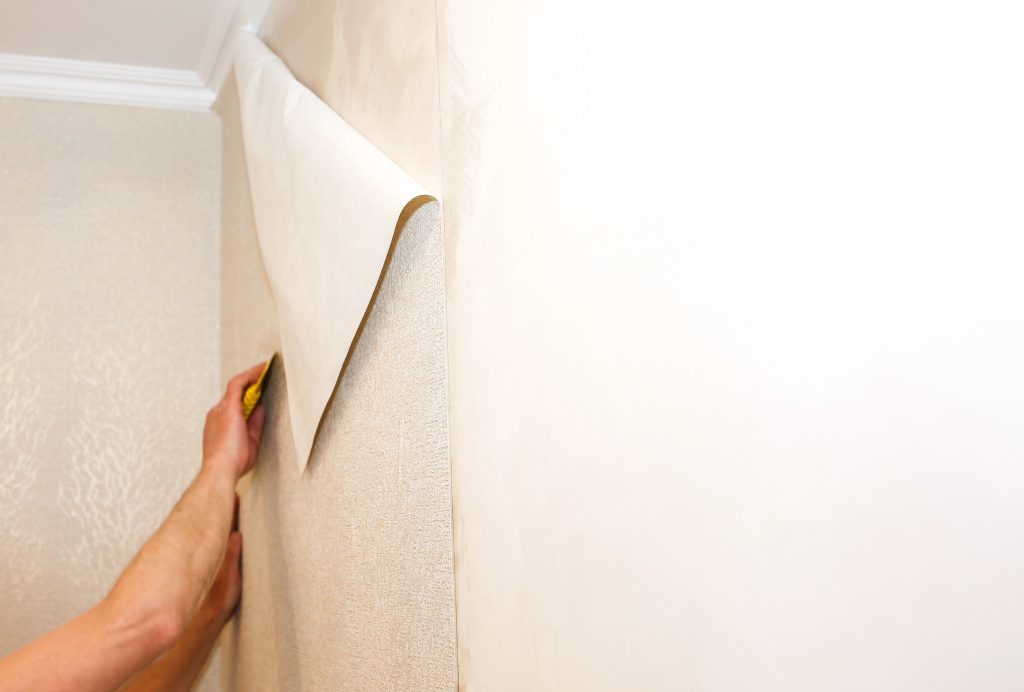
Professional Installation Considerations
Surface Preparation
Proper wall preparation is essential for successful wallpaper installation. Surfaces should be smooth, clean, and free from grease or moisture before application. Even minor imperfections can show through, making professional preparation a key step in achieving a flawless finish.
Older Toronto homes, especially those with plaster walls, may require additional preparation. Professional installers understand how to properly treat different wall types commonly found in GTA properties.
Moisture and Ventilation
Kitchen ventilation plays a significant role in wallpaper performance. A properly functioning exhaust system helps reduce moisture buildup, protecting both the adhesive and the material over time.
Wallpaper should generally be avoided directly behind stoves or in high-splash zones unless using commercial-grade materials designed for those conditions.
Pattern Matching and Seams
Accurate pattern matching requires precision, particularly with large-scale or intricate designs. Professional installation ensures clean alignment where panels meet, resulting in a seamless, cohesive look.
Corners, edges, and areas around windows require careful handling. Proper techniques help prevent peeling and ensure long-term durability.
When to Call Professionals
While some homeowners choose to install wallpaper themselves, kitchens present unique challenges. Moisture exposure, material selection, and precise application all require a higher level of attention.
Professional installers bring the right tools, experience, and techniques to avoid common issues such as bubbling, misalignment, or premature peeling. They also complete the project efficiently, minimizing disruption to your daily routine.
Transform Your Toronto Kitchen Today
Kitchen wallpaper offers a practical way to refresh your space with added style and personality. From durable vinyl materials to thoughtfully selected patterns, the right choice can elevate your kitchen while meeting everyday demands.
Apex Wallpaper brings over two decades of professional installation experience to homeowners across Toronto and the GTA. Our team works with a wide range of wallpaper materials, delivering clean, precise results tailored to your space. Contact Apex Wallpaper today for a free quote and take the next step toward transforming your kitchen.
Kitchens and bathrooms are high-moisture environments that can challenge traditional wall coverings. Waterproof wallpaper offers a solution by using materials and surface treatments designed to resist humidity and occasional water exposure, providing a durable and easy-to-clean surface suitable for these spaces.
What Makes Wallpaper Waterproof?
Waterproof wallpaper isn't just regular wallpaper with a coating. It features specialized materials designed to resist moisture penetration.
Most waterproof options use vinyl or vinyl-coated surfaces. These materials create a barrier that prevents water from reaching the wall beneath. Some products feature solid vinyl construction, while others combine a vinyl layer with a fabric or paper backing.
The key difference is in the surface treatment. Standard wallpaper absorbs moisture, leading to peeling, mold, and deterioration. Waterproof varieties repel water, making them suitable for high-humidity environments.
Why Kitchens Need Moisture-Resistant Walls
Your kitchen faces constant moisture challenges. Steam from cooking, splashes from washing dishes, and general humidity create an environment where standard wallpaper struggles.
Waterproof wallpaper handles these conditions effectively. It resists steam buildup that occurs during cooking and stands up to occasional splashes near sinks and prep areas.
The material also simplifies cleaning. Grease splatters and food residue wipe away easily from waterproof surfaces. This makes maintaining a fresh appearance straightforward, even in busy cooking spaces.
You gain design flexibility, too. Waterproof wallpaper comes in countless patterns, colours, and textures. You can achieve looks ranging from subway tile to modern geometric patterns without traditional tile installation costs.
Bathroom Applications and Benefits
Bathrooms present even more significant moisture challenges than kitchens. Shower steam, sink splashes, and general humidity create conditions that demand waterproof solutions.
Waterproof wallpaper works well in specific bathroom zones. It's ideal for areas away from direct water contact — walls opposite the shower, spaces above wainscoting, and powder room applications.
However, understanding limitations matters. Direct shower spray requires different solutions. Waterproof wallpaper excels in areas that experience humidity and occasional moisture but shouldn't replace tile or other materials in constantly wet zones.
The aesthetic benefits are substantial. You can introduce bold patterns, rich colors, or subtle textures that transform standard bathroom walls into design features. This creates visual interest without the expense and disruption of tile work.
Installation Considerations You Should Know
Proper installation determines how well waterproof wallpaper performs. Surface preparation is critical — walls must be clean, smooth, and properly sealed before application.
The installation process differs from standard wallpaper. Waterproof varieties often require specific adhesives formulated for vinyl materials. Some products feature peel-and-stick backing, while others need traditional paste application.
Seam placement requires careful planning in moisture-prone areas. Professional installers ensure seams align properly and create tight bonds that prevent moisture infiltration. Poor seam work compromises the waterproof properties.
Ventilation also matters. Even waterproof wallpaper benefits from adequate air circulation. Proper bathroom fans and kitchen ventilation help maintain the installation long-term.
Maintenance and Longevity
Waterproof wallpaper requires minimal maintenance but benefits from regular care. Wipe surfaces periodically with a damp cloth to remove dust, cooking residue, or soap buildup.
Avoid abrasive cleaners that can damage the protective surface. Gentle, pH-neutral cleaning solutions work best. For stubborn spots, warm water and mild soap typically suffice.
Check seams occasionally for any lifting or separation. Early detection allows for simple repairs before moisture reaches underlying surfaces. Professional installers can address minor issues before they become major problems.
With proper care, quality waterproof wallpaper lasts for years. Many products carry warranties ranging from five to fifteen years, reflecting their durability in appropriate applications.
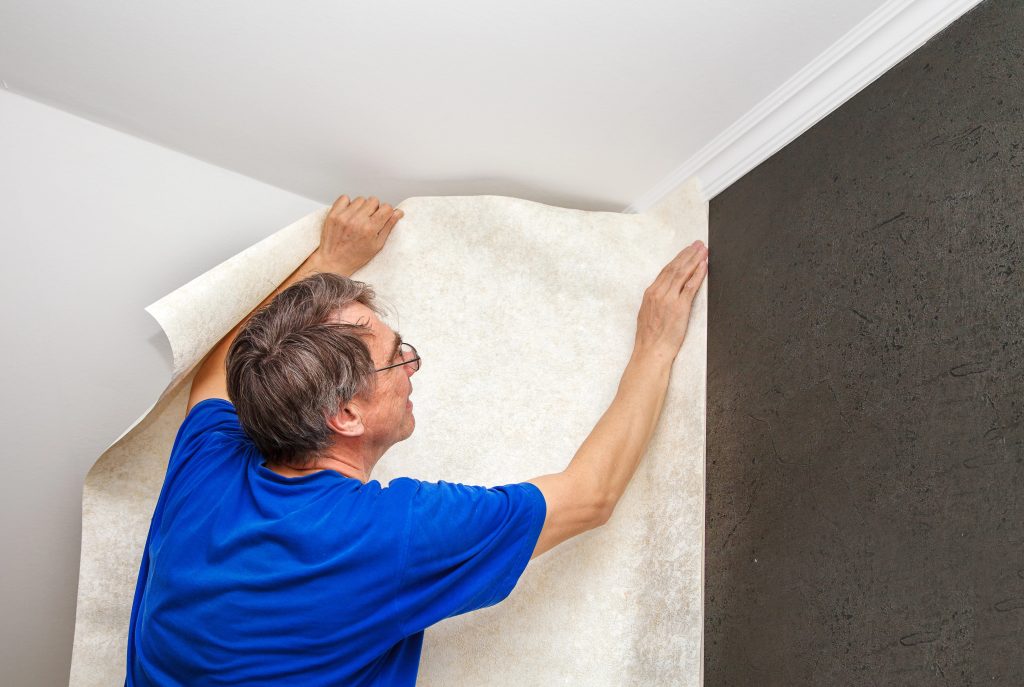
When Professional Installation Makes Sense
DIY installation is possible with waterproof wallpaper, but professional installation offers distinct advantages. Experienced installers understand moisture management, proper adhesive selection, and seam placement techniques.
Professional installation ensures warranty coverage. Many manufacturers require a professional application for warranty validity. This protection proves valuable if issues arise.
The investment in professional installation often pays off through superior results. Proper technique prevents common problems like bubbling, lifting, or moisture infiltration that compromise appearance and performance.
Making Your Decision
Waterproof wallpaper offers a practical way to bring style into kitchens and bathrooms without sacrificing durability. It handles moisture better than standard wallpaper while providing more design options than paint alone.
Consider your specific space when evaluating options. Areas with high humidity but minimal direct water contact are ideal candidates. Combine waterproof wallpaper strategically with tile or other water-resistant materials in the wettest zones.
Professional installation ensures you get the full benefit of waterproof wallpaper's features. Ready to transform your kitchen or bathroom with a moisture-resistant style? Contact Apex Wallpaper for expert installation throughout Toronto. Our team brings the experience needed to deliver lasting results that enhance your space.
Wallpaper has the power to completely transform a room, adding texture, personality, and a polished finish that paint alone can’t achieve. But achieving that flawless look isn’t always as simple as it seems. Small missteps during installation — like poor preparation or misaligned patterns — can quickly turn a promising project into a frustrating and expensive outcome.
Even seasoned DIYers can run into challenges that affect both the appearance and longevity of their wallpaper. Understanding where things typically go wrong helps you avoid costly errors, protect your investment, and achieve a result that truly enhances your space.
Skipping Proper Wall Preparation
Surface preparation plays a major role in how well wallpaper adheres and how long it lasts. Many DIY installers rush into hanging paper without properly addressing the wall underneath.
Walls should be thoroughly cleaned to remove dust, grease, and debris that can interfere with adhesion. Any leftover residue may create visible bumps once the wallpaper is applied. Imperfections like holes and cracks need to be filled with spackle and sanded smooth. Even small flaws can show through, particularly with lighter shades or thinner materials.
Priming is another essential step that often gets overlooked. A primer ensures even adhesion across the surface and makes future removal much easier. Whether you're working with new drywall or previously painted walls, skipping primer to save time often leads to peeling and wasted materials later on.
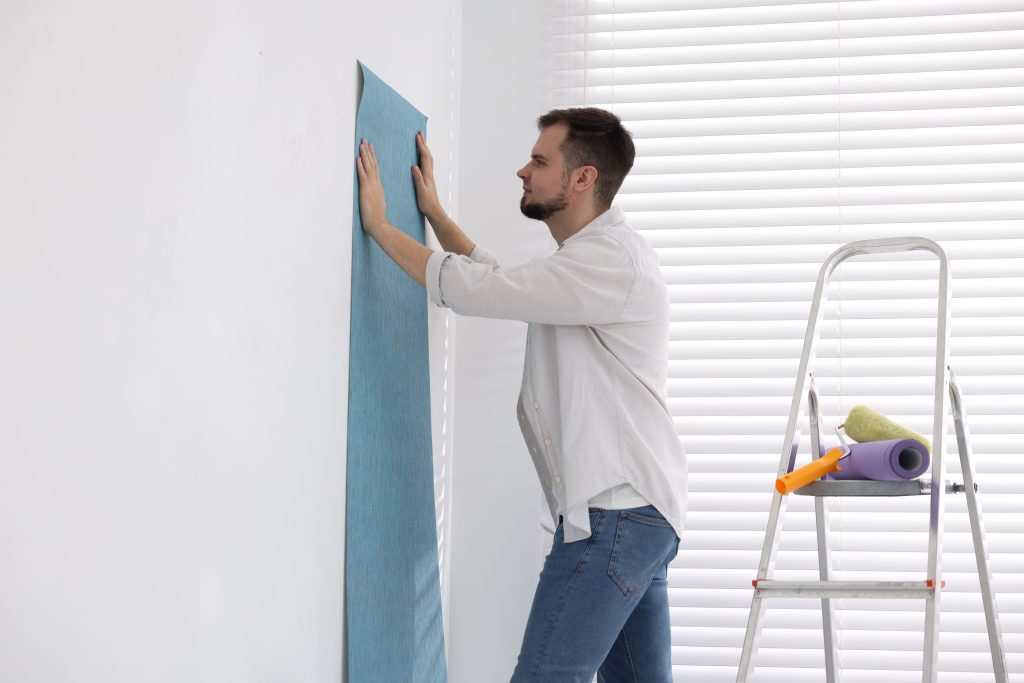
Measuring and Cutting Incorrectly
Inaccurate measurements can lead to wasted wallpaper and noticeable installation issues. One of the most expensive errors is failing to account for pattern repeats, which affect how much material each strip requires.
Always measure wall height and add at least four inches for trimming. For patterned wallpaper, the repeat length must be factored into the total amount needed. Running out mid-project can mean ordering from a different dye lot, resulting in subtle but visible colour differences.
Cutting also requires precision. Sharp blades are essential for clean edges, while dull ones can tear the paper and create uneven seams. Many professionals cut all strips in advance to maintain consistent pattern flow across the wall — an important step that helps ensure a cohesive final look.
Using Wrong Adhesive or Application Methods
Choosing the correct adhesive is critical, as different wallpaper types require specific products. Using the wrong one can lead to immediate failure or gradual peeling over time.
Pre-pasted wallpaper must be activated with water at the proper temperature, while unpasted options need adhesive suited to their material and weight. For example, vinyl wallpaper requires a vinyl-specific paste, and heavier textured papers need stronger formulations. Manufacturer guidelines are there for a reason, yet they’re often ignored in favour of convenience.
Application technique is equally important. Excess adhesive can cause slipping and longer drying times, while too little may result in weak bonding. Professionals also understand proper “booking” time — the waiting period that allows the paper to absorb moisture and become flexible before installation.
Rushing Through Installation
Impatience ruins more wallpaper projects than any other factor. Hurrying through installation creates air bubbles, misaligned patterns, and wrinkled seams that compromise your finished appearance.
Each strip demands careful positioning before smoothing begins. Working from the centre outward using proper smoothing tools eliminates air pockets systematically. Methodical work produces better results than speed, with each strip requiring perfect alignment before moving forward.
Proper drying time between strips and before trimming edges prevents problems many homeowners create by working too quickly. Wet wallpaper stretches, and premature cutting results in gaps appearing as material dries and shrinks to final dimensions.
Ignoring Pattern Matching at Seams
Mismatched patterns announce amateur installation instantly and ruin otherwise beautiful walls. This mistake happens when installers fail to plan starting points or don't align designs carefully during hanging.
Installation should begin at focal points or least noticeable corners depending on your room layout. Drop-match patterns require offsetting each strip, so understanding your specific pattern type before starting prevents costly errors. Holding new strips against previous ones before applying adhesive verifies pattern alignment and prevents mistakes.
Eye-level seams receive the most scrutiny, making pattern matching especially critical at these locations. Seam rollers help edges bond properly without flattening wallpaper texture, but overworking seams damages paper surfaces and creates visible problems.
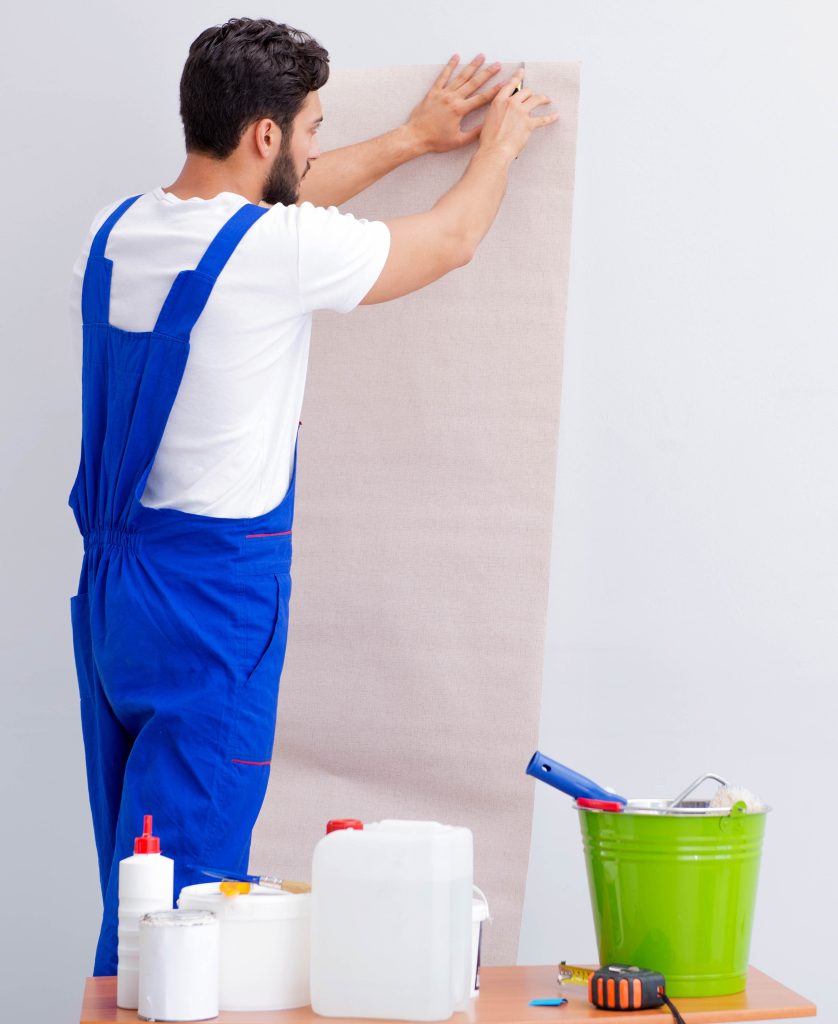
Attempting Complex Projects Without Professional Help
Some wallpaper installations exceed typical DIY capabilities. Textured wallpapers, large-scale patterns, ceiling applications, and challenging architectural features require specialized expertise and equipment.
High ceilings, multiple corners, or expensive designer wallpaper make professional installation the smarter investment. Ruined materials often cost more than hiring experienced installers who guarantee perfect results. Professionals bring specialized tools and proven techniques developed over years of experience handling every wallpaper type and installation challenge.
Choose Professional Installation in Toronto
Avoiding common wallpaper installation mistakes can make the difference between a polished, long-lasting finish and a frustrating result. Proper preparation, accurate measurements, suitable materials, and a patient approach all play a role in achieving a professional look.
Apex Wallpaper has served Toronto and the GTA for over 20 years, working with everything from standard wallpaper to luxury hand-printed designs. Our team installs vinyl, acoustic wallpaper, grass cloth, fabric wall coverings, and specialty films with careful attention to detail. Every residential and commercial project is backed by a 100% satisfaction guarantee.
Don’t risk expensive materials on an inexperienced installation. Work with a professional team to ensure clean lines, seamless patterns, and results that enhance your space for years to come.
Wallpaper is an investment. Whether you went with a bold geometric print in the dining room or a subtle texture in the entryway, you want it looking sharp for years — not faded, peeling, or streaky after one bad cleaning attempt.
The good news: wallpaper maintenance is straightforward once you know what type you're working with. The bad news: plenty of homeowners skip that step and end up with water damage or lifted seams from the wrong cleaning method. Here's how to do it right.
Know Your Wallpaper Type Before You Touch It
This is the single most important step, and it only takes a minute.
Vinyl wallpaper is the most common option in Canadian homes and the easiest to clean. It holds up well to damp cloths and mild soap solutions. You can scrub lightly without worrying much about damage.
Coated fabric wallpaper often has an acrylic or vinyl layer on top, which makes it washable. Treat it similarly to vinyl, but go easy on the scrubbing.
Plain paper wallpaper is the delicate one. Getting it wet can cause warping, bubbling, or colour bleeding. Spot-clean only, using as little moisture as possible.
If you're not sure what you have, check the original packaging or the manufacturer's product page. If that's not available, do a small patch test in a hidden corner — dampen a cloth, press it gently, and see how the wallpaper responds before cleaning the whole wall.

Regular Dusting: The Simplest Thing You Can Do
Dust settles on wallpaper just like it does on furniture. Over time, a layer of dust makes colours look dull and can work its way into the texture of the paper. Regular light dusting keeps that from happening.
Use a dry microfibre cloth or the soft brush attachment on your vacuum cleaner. Work from the top of the wall down in slow, even strokes. Do this every few weeks in high-traffic areas like hallways and living rooms — monthly is enough for bedrooms.
This one habit does more to preserve the look of your wallpaper than any deep clean.
How to Spot-Clean Marks and Stains
For everyday smudges, fingerprints, or light scuffs, start with the gentlest option and work up from there.
- Try a dry eraser first. A clean white eraser (like the kind used for pencil marks) can lift surface smudges off many wallpaper types without any moisture at all.
- For tougher spots, use a damp cloth. Wring it out thoroughly — you want it barely damp, not wet. Blot the stain rather than rubbing it. Rubbing spreads the mark and can damage the paper's surface.
- Add a drop of dish soap if needed. Mix a small amount of mild dish soap in warm water, apply with a cloth, and blot. Follow with a second clean damp cloth to remove any soap residue.
- Dry the area immediately. Use a soft dry cloth to absorb moisture. Don't leave any wetness sitting on the wallpaper surface.
Avoid bleach-based cleaners, abrasive scrubbers, and anything with harsh solvents. These will strip the colour or break down the adhesive underneath.

Washing Vinyl Wallpaper
If your walls are vinyl and need a more thorough clean — say, in a kitchen where grease builds up — you can take a more direct approach.
Mix warm water with a small amount of dish soap or a gentle all-purpose cleaner. Use a soft sponge, wring it out well, and wash in sections from top to bottom. Rinse each section with a clean damp cloth and dry as you go.
Avoid soaking the seams. Water that gets behind the paper at the edges can loosen the adhesive over time, which leads to peeling. Light pressure along the seams, not scrubbing.
What to Watch For Between Cleanings
Keep an eye out for:
- Lifting seams at corners or edges, which usually means humidity or moisture is getting in
- Bubbling under the surface, which could be a sign of adhesive failure
- Fading near windows, where UV exposure is strongest
For seams that are starting to lift, a small amount of seam repair adhesive (available at most hardware stores) catches the problem early before it spreads.
The Bottom Line
Cleaning wallpaper doesn't require special products or a lot of time. Dust regularly, identify your wallpaper type before introducing any moisture, and treat stains as soon as they happen. Those three habits will keep your walls looking the way they did on installation day.
If you're unsure about your wallpaper's material or worried about damaging a high-end print, reach out to the team at Apex Wallpaper before attempting any wet cleaning. A quick conversation can save you a costly repair.
Removing old wallpaper can feel like a daunting project, especially if you’re worried about peeling paint, gouging drywall, or creating a bigger repair job than you started with. The good news is that with the right preparation, tools, and technique, wallpaper removal can be done cleanly and safely. Whether you’re preparing for fresh paint or a new wallpaper installation, following the proper steps will help protect your walls and create a smooth surface for the next finish.
At Apex Wallpaper, we regularly help homeowners across Toronto and the surrounding area refresh their spaces, and proper wallpaper removal is one of the most important first steps in achieving a professional result.

Step 1: Test Before You Start
Not all wallpaper is removed the same way. Some modern wallpapers are designed to peel off easily in full sheets, while older or heavily glued wallpaper may require moisture or steam to loosen the adhesive.
Start by gently lifting a corner using a putty knife. If the wallpaper pulls away cleanly, you may be able to remove most of it dry. If it resists or tears into small pieces, you’ll need to soften the adhesive before continuing.
Testing a small, hidden section first prevents unnecessary wall damage and helps you choose the safest removal method.
Step 2: Prepare the Room and Protect Surfaces
Before applying water or steam, take time to protect the surrounding space:
- Move furniture away from the walls
- Cover floors with drop cloths or plastic sheeting
- Tape plastic over baseboards and electrical outlets
- Turn off power to nearby switches if using liquid or steam
Proper preparation keeps cleanup simple and prevents moisture from damaging flooring or electrical components.
Step 3: Score the Wallpaper (If Needed)
For wallpapers that don’t peel easily, lightly scoring the surface allows water or removal solution to penetrate the adhesive underneath.
Use a wallpaper scoring tool and apply gentle pressure in circular motions. Avoid pressing too hard, as deep scoring can scratch or dent the drywall beneath the paper. The goal is to create small openings in the wallpaper surface — just enough to let moisture reach the glue.
Step 4: Soften the Adhesive
Warm water is often enough to loosen wallpaper paste, especially when mixed with a small amount of dish soap or wallpaper removal solution. Apply the liquid using a sponge, spray bottle, or roller, then allow it to soak for several minutes.
For stubborn or multiple wallpaper layers, a wallpaper steamer can be more effective. Steam gently heats and softens the adhesive, making removal easier without aggressive scraping.
Whichever method you choose, patience is key. Letting moisture fully penetrate the glue reduces the risk of tearing drywall paper or leaving deep gouges.
Step 5: Remove the Wallpaper Carefully
Once the adhesive softens, begin lifting the wallpaper using a wide putty knife or scraper held at a shallow angle. Work slowly and keep the blade flat against the wall to avoid digging into the surface.
If the wallpaper stops releasing easily, apply more moisture and wait a few minutes before continuing. Forcing dry sections is one of the most common causes of wall damage.
Removing wallpaper in manageable sections rather than rushing the entire wall helps maintain control and produce a smoother final surface.
Step 6: Clean Off Remaining Adhesive
Even after the wallpaper is gone, leftover paste can interfere with paint or new wallpaper installation. Wash the walls using warm water and a sponge, rinsing frequently to remove residue.
Stubborn adhesive may require a dedicated wallpaper remover solution or a second light wash. Allow the walls to dry completely before assessing the surface.
Step 7: Repair and Prepare the Wall
After drying, inspect the wall for small nicks, lifted drywall paper, or uneven areas. Minor imperfections can be repaired using joint compound, followed by light sanding once dry.
Proper wall preparation is essential before painting or installing new wallpaper. A smooth, sealed surface ensures better adhesion, a cleaner finish, and longer-lasting results.
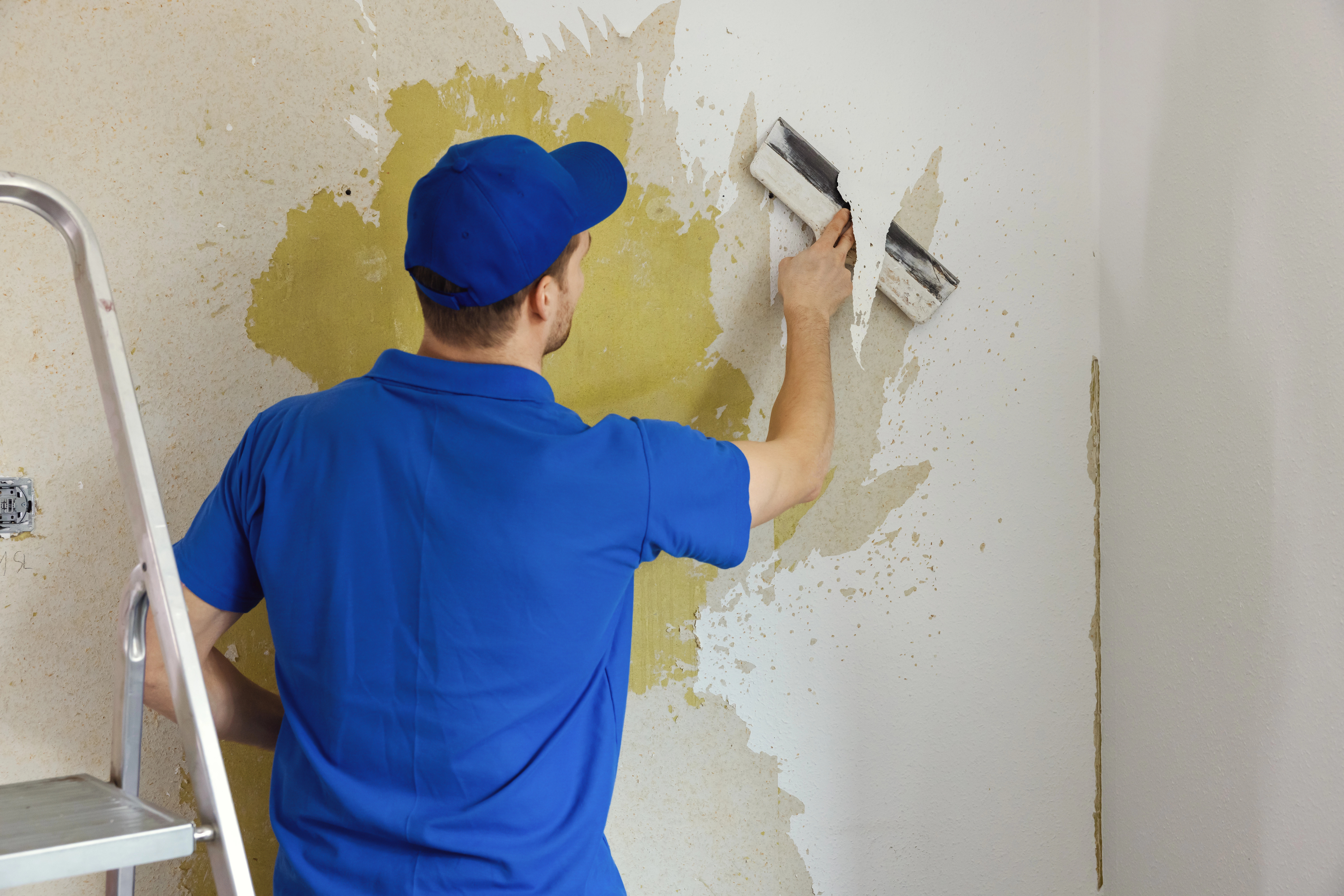
When to Call a Professional
While some wallpaper removal projects are manageable for homeowners, older wallpaper, multiple layers, or delicate drywall can make the process more challenging. Improper removal may lead to torn drywall facing, extensive patching, or uneven surfaces that affect the final finish.
Professional wallpaper specialists have the tools and experience to remove wallpaper efficiently while protecting the wall underneath — saving time, mess, and potential repair costs.
Refresh Your Walls With Apex Wallpaper
If you’re planning to update your space, Apex Wallpaper provides expert wallpaper removal and installation services throughout Toronto and the surrounding communities. From careful surface preparation to precise installation, our team helps ensure your walls look clean, smooth, and ready for their next transformation.
Contact Apex Wallpaper today to discuss your project and take the first step toward beautifully refreshed walls.
A feature wall with wallpaper can change the look and feel of any room. It adds personality, depth, and excitement right where you want it most. Many people choose a feature wall because it is a simple yet effective way to get maximum impact. With so many wallpaper designs and textures available, you can easily create a statement that perfectly matches your style. Whether you want to brighten up a living room, add drama to a bedroom, or make a hallway more inviting, a feature wall with wallpaper gives you endless creative options.